Early Signs of Cataract: What Changes in Your Vision Should You Notice?
Summary
-
Cataracts can develop gradually, so early changes may be easy to overlook.
-
Blurry or cloudy vision, faded colors, glare, halos, and difficulty seeing at night can be warning signs.
-
Frequent changes in glasses prescriptions may also signal changes in the lens.
-
Cataracts do not always cause noticeable symptoms at first.
-
Regular eye examinations can help identify cataracts and other eye conditions early.
Vision changes are easy to blame on getting older, tired eyes, or an outdated glasses prescription. But sometimes these changes can be among the early signs of cataract development.
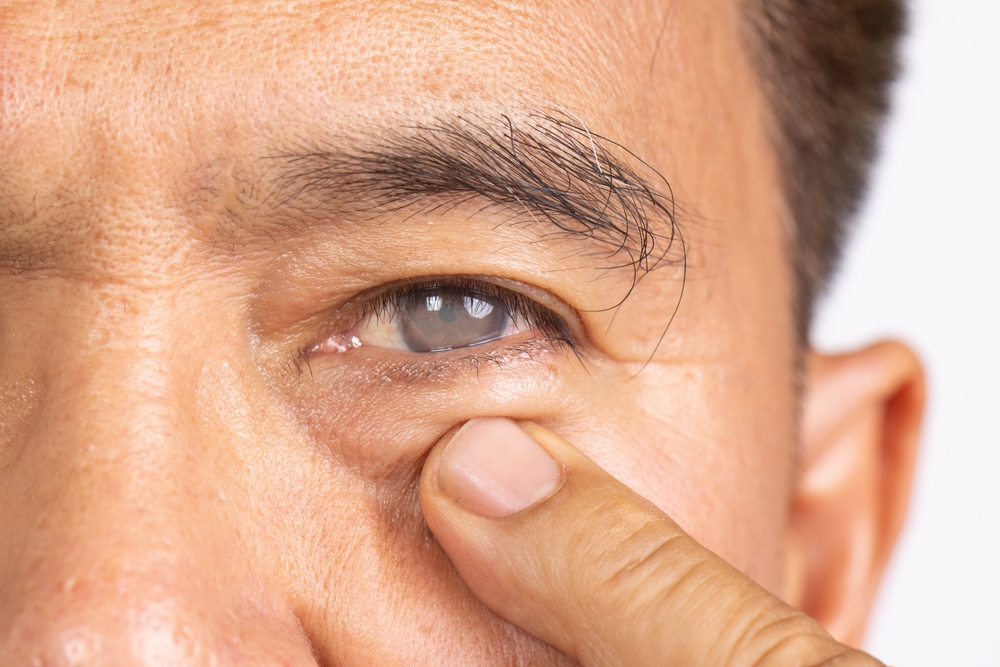
A cataract occurs when the normally clear lens inside the eye becomes cloudy. Because the lens helps focus light onto the retina, changes in its clarity can gradually affect how clearly you see. Cataracts often develop slowly, meaning you may adapt to subtle changes without realizing that something has changed.
Knowing what to watch for can help you recognize when a routine eye examination may be worthwhile.
What Is a Cataract?
The lens is a clear structure located behind the iris and pupil. It helps focus incoming light onto the retina, allowing the brain to form a clear image.
With cataract development, proteins within the lens can clump together and create cloudy areas. As the clouding becomes more extensive, light has more difficulty passing through the lens properly. This can result in blurry, hazy, or less colorful vision.
Cataracts are commonly associated with aging, but they can also develop because of factors such as diabetes, certain medications, eye injuries, previous eye surgery, radiation exposure, smoking, and prolonged exposure to sunlight.
What Are the Early Signs of Cataract?
1. Blurry or Hazy Vision
One of the most recognizable changes is vision that becomes less sharp. Objects may appear slightly blurred, almost as if you are looking through a dirty window.
Because the change can happen gradually, you may initially assume that your glasses or contact lenses simply need to be changed.
2. Increased Sensitivity to Light
Bright sunlight, lamps, or headlights may become more uncomfortable than they used to be. Glare can become particularly noticeable while driving at night.
3. Halos Around Lights
Some people notice rings or halos around light sources, particularly in darker environments. This can make nighttime activities more difficult.
4. Difficulty Seeing at Night
Reduced night vision can be another warning sign. You may find it harder to see road signs, pedestrians, or objects in low-light settings.
5. Colors Appear Faded
Cataracts can affect how colors appear. They may seem less bright or slightly yellowed as the lens changes over time.
6. Frequent Changes in Your Prescription
If you seem to need new glasses or contact lens prescriptions more frequently than usual, an eye examination can help determine whether cataracts or another eye condition may be contributing to the change.
Why Can Early Cataracts Be Difficult to Notice?
The earliest stages of cataract development may produce little or no noticeable change in vision. That is one reason people may not realize that a cataract is developing.
The brain can also adapt to gradual changes. You may simply turn up the lights, move closer to something you are reading, or avoid driving at night without connecting these changes to your vision.
A comprehensive eye examination can identify cataracts even when symptoms are mild.
When Should You See an Eye Care Professional?
Consider scheduling an eye examination if you notice persistent changes such as blurry vision, glare, difficulty seeing at night, faded colors, halos, or repeated prescription changes.
These symptoms do not automatically mean you have cataracts. Similar changes can occur with other eye conditions, which is why professional evaluation matters.
If cataracts eventually interfere with everyday activities such as reading or driving, an eye care professional can discuss available treatment options.
Why Cataract Research Matters
Recognizing cataracts is only one part of addressing the broader challenge of cataract-related vision loss. Researchers continue to study how cataracts develop, how lens changes can be identified earlier, and how future treatments might prevent or slow cataract progression.
The National Foundation for Eye Research supports research focused specifically on the lens and cataracts, with a long-term goal of advancing nonsurgical approaches to cataract treatment.
Conclusion
The early signs of cataract can be subtle, but changes such as blurry vision, glare, halos, faded colors, and difficulty seeing at night should not simply be dismissed as normal aging. An eye examination can help determine whether a cataract or another eye condition is responsible.
At the research level, understanding why the lens becomes cloudy remains an important scientific challenge. The National Foundation for Eye Research supports continued research into cataract biology and the development of potential nonsurgical approaches, helping advance the broader search for better ways to protect vision.
FAQs
1. What is usually the first sign of a cataract?
Early cataracts may cause no noticeable symptoms. When changes appear, blurry or cloudy vision, glare, and difficulty seeing at night can be among the first noticeable problems.
2. Can cataracts cause sensitivity to light?
Yes. Cataracts can make bright lights, sunlight, lamps, and headlights appear more uncomfortable or produce increased glare.
3. Can cataracts affect color vision?
Yes. As the lens becomes cloudier or develops a yellow or brown tint, colors may appear less vivid.
4. Can you have a cataract without knowing it?
Yes. Early cataracts may cause few or no noticeable symptoms, which is why routine eye examinations are important.
5. Are early cataracts reversible?
Cataract-related lens clouding does not simply disappear on its own. Treatment decisions depend on how much the cataract affects vision and daily activities.