Spread, Pip, and Lot: Essential Concepts in Forex Trading
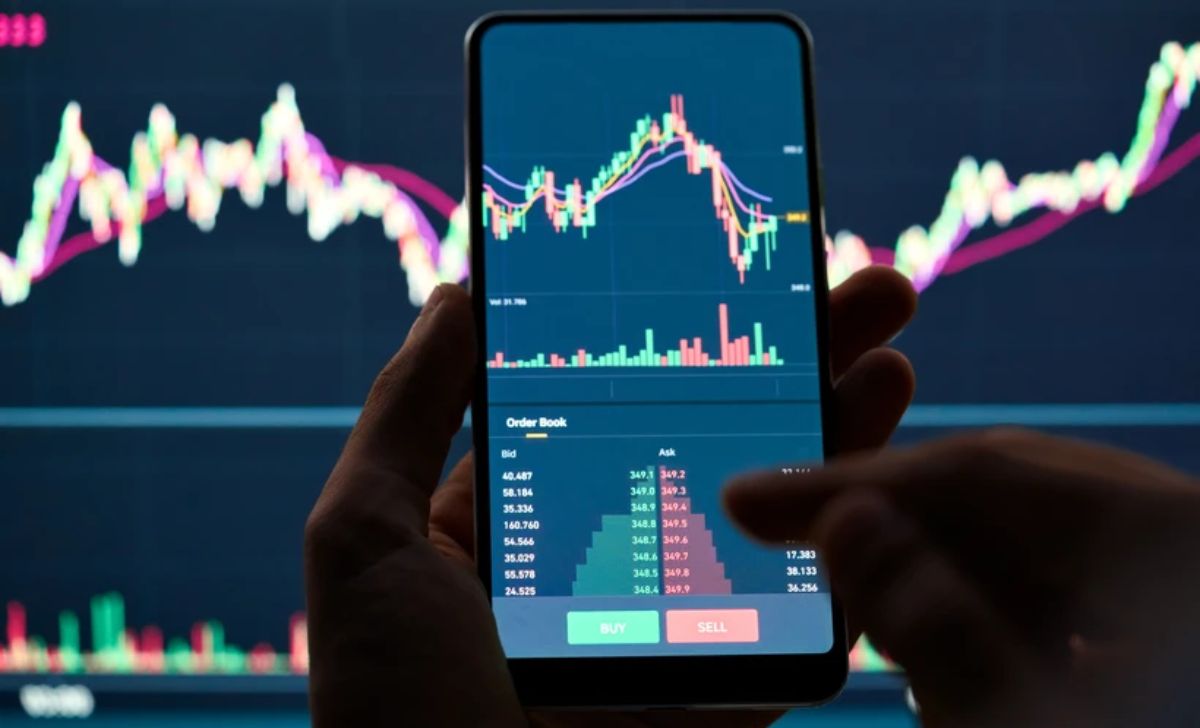
Understanding the basic concepts of Forex trading is critical for success in the market. Among these, the terms spread, pip, and lot form the foundation of how trades are calculated, executed, and measured. For traders, mastering these concepts is essential for effective decision-making. Additionally, using the best forex platform ensures access to tools and resources that simplify these calculations and provide real-time data.
What Is a Spread?
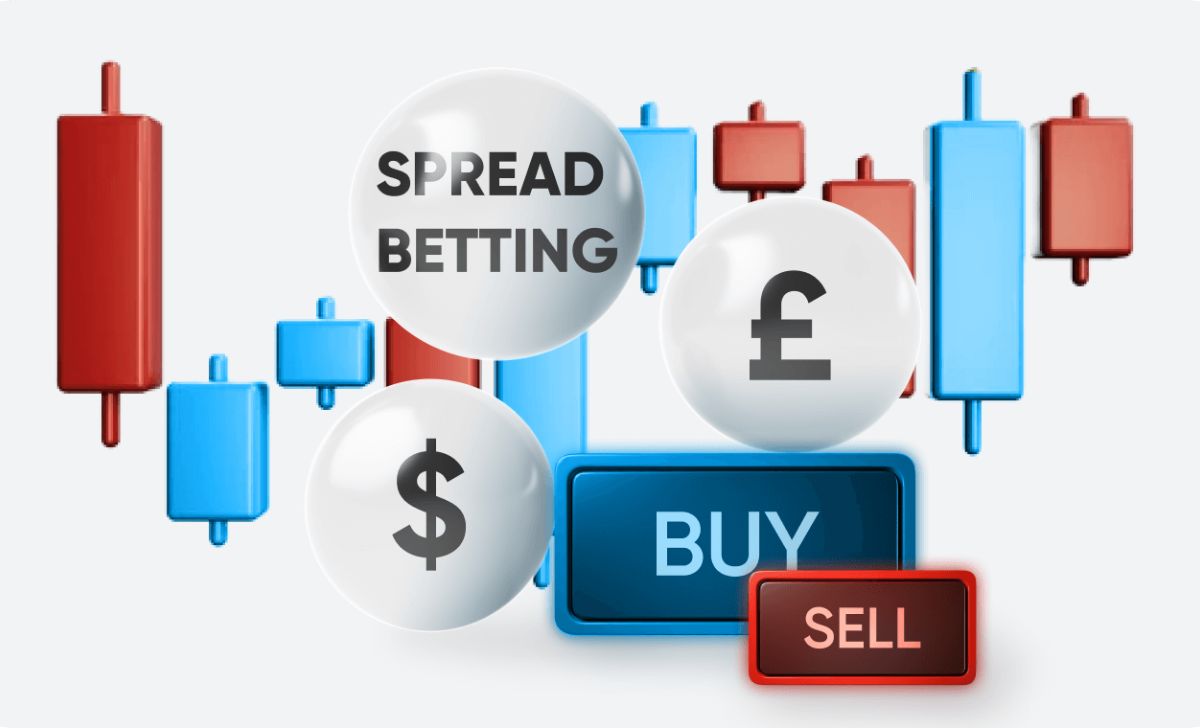
The spread in Forex trading is the difference between the bid price (what buyers are willing to pay) and the ask price (what sellers are asking for). It represents the broker’s commission for facilitating the trade.
- Tight Spreads: Found in highly liquid pairs like EUR/USD, tight spreads mean lower trading costs, making them ideal for frequent traders.
- Wide Spreads: Common in exotic or less liquid pairs, wide spreads result in higher trading costs and are more suitable for long-term strategies.
The best forex platform often provides competitive spreads, helping traders minimize costs and maximize profitability.
Read more: Choosing the Right Currency Pairs for Your Forex Strategy
What Is a Pip?
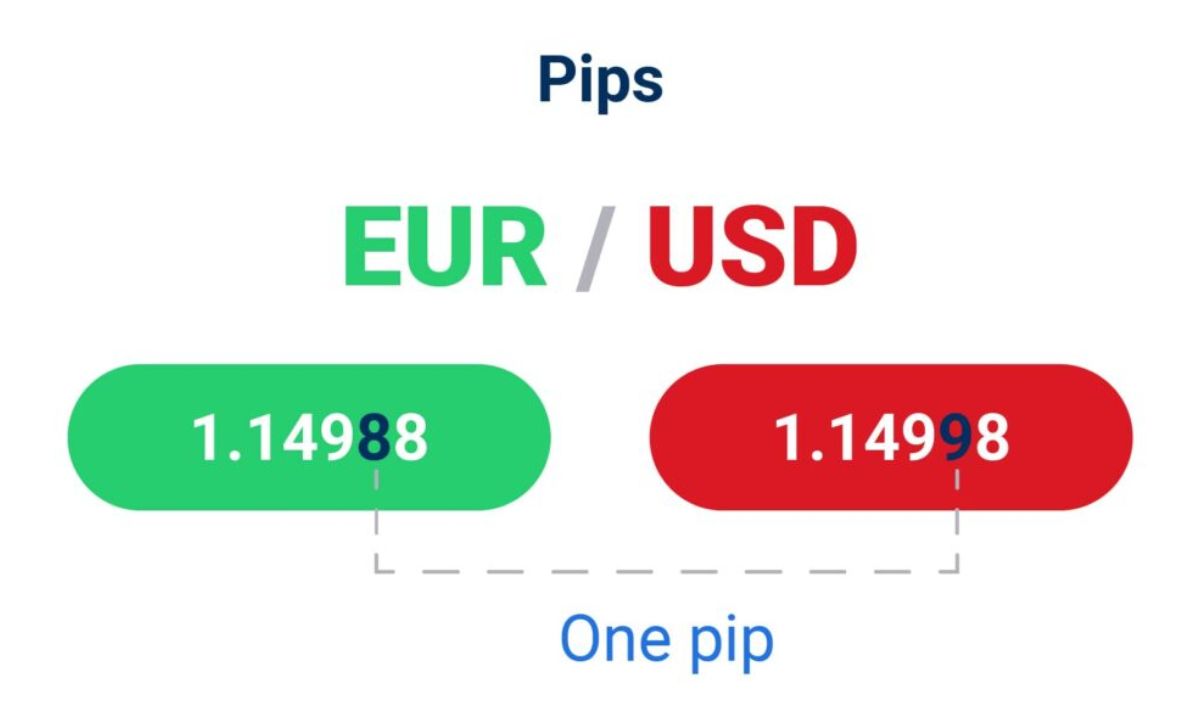
A pip, short for "percentage in point," is the smallest price movement a currency pair can make based on market convention. For most currency pairs, a pip is the fourth decimal place (e.g., 0.0001). However, for pairs involving the Japanese yen, it is the second decimal place (e.g., 0.01
- Why Pips Matter: Pips are used to measure price movements and calculate profits or losses. For example, if EUR/USD moves from 1.1000 to 1.1050, it has increased by 50 pips.
- Fractional Pips: Some brokers quote prices with an extra decimal place, allowing for more precise calculations.
A robust trading platform ensures accurate pip calculations, which is why many traders rely on the best forex platform for their trading needs.
Read more: Leverage in Forex Trading: How to Use It Wisely
What Is a Lot?
A lot refers to the standardized unit size of a Forex trade. In Forex trading, there are three main types of lots:
- Standard Lot: 100,000 units of the base currency.
- Mini Lot: 10,000 units of the base currency.
- Micro Lot: 1,000 units of the base currency.
The lot size you choose impacts the value of each pip movement, as follows:
- 1 pip in a standard lot is worth $10.
- 1 pip in a mini lot is worth $1.
- 1 pip in a micro lot is worth $0.10.
Choosing the right lot size depends on your account balance, risk tolerance, and trading strategy. The best forex platform often provides calculators to help traders determine the appropriate lot size for their trades.
The Relationship Between Spread, Pip, and Lot
These three concepts are interconnected and influence your overall trading performance. For example:
- Spread and Pip: The cost of the spread is calculated in pips. If the spread is 2 pips, you must overcome this cost to start earning a profit.
- Pip and Lot: The value of a pip is determined by the lot size. A larger lot increases the monetary impact of a pip movement.
Why These Concepts Matter
Understanding spreads, pips, and lots enables traders to calculate potential profits and losses accurately, manage risks effectively, and optimize their trading strategies.
Choosing the Right Platform
Using the best forex platform is essential for mastering these concepts. A reliable platform should provide:
- Real-time spread data and low transaction costs.
- Easy-to-read pip calculations.
- Lot size options tailored to different trading strategies.
Platforms like MetaTrader 4 (MT4) or MetaTrader 5 (MT5) are excellent examples, offering advanced tools and features for traders at all levels.
Spreads, pips, and lots are fundamental concepts that every Forex trader must understand. They form the backbone of trade calculations and play a significant role in determining trading costs, profits, and risks. By mastering these terms and using the best forex platform, traders can navigate the Forex market with greater confidence and precision. Take the time to practice, refine your knowledge, and leverage the tools available on top trading platforms to enhance your trading experience. A strong foundation in these concepts is the first step toward long-term success in Forex trading.