Piano Keyboard Repair in Texas: Common Problems and Fixes
Frisco Piano Tuner
Piano keyboard repair in Texas usually traces back to one of four causes: a foreign object, friction, regulation drift, or a broken part. You can check the first one yourself. The other three need a technician, but knowing which one you're dealing with before you call makes the visit go faster.
What Makes Piano Keys Stick or Go Quiet Wood and felt make up most of a piano's action, and both react to changes in humidity. A swollen key can stick against its guides. Shrinkage changes how parts sit against each other and can throw off alignment. A technician works through the suspects in a set order instead of guessing.
Sticking Keys: What You Can Safely Check Yourself Lift the key lid and look between the keys for dust or a stray pencil. A soft brush handles loose surface dirt. Never oil or spray the keys or action; it traps dust and gums up moving parts. A key that sticks but still moves under slow pressure usually points to friction or swelling, which a technician can sort out safely.
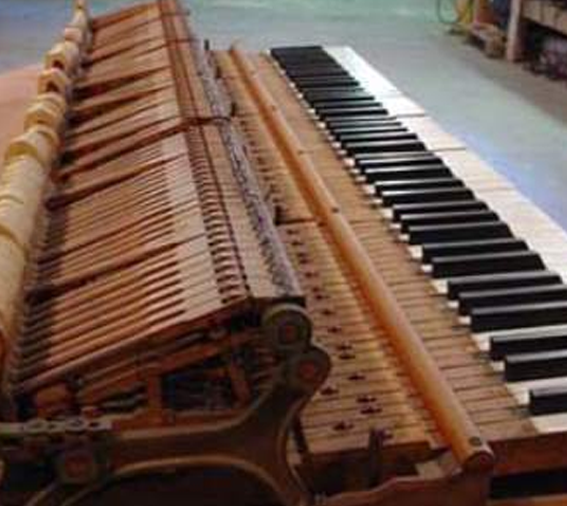
Unresponsive Keys and Chipped Keys in the Dallas Area A key on an upright in Plano might play softly or not at all. A broken hammer or action link can cause that, and so can a key that has drifted out of regulation. Chipped keytops (the ivory or plastic covers) are cosmetic, but a chipped stem, the wooden part underneath, is structural and needs replacing. If several keys misbehave together, say so when you call, because it tells the technician whether piano key repair in TX will involve regulation work. Ask for the diagnosis cost up front, and ask whether it applies toward the repair.
When to Call a Piano Repair Technician Call about more than one sticking key or a key that stays silent. For cracks or warping, book an in-person visit. A technician checks for foreign objects first, then friction, then regulation (the alignment of hammers and dampers with key travel), then broken parts. Ask any provider whether acoustic piano repair services cover regulation and action adjustment, since piano action repair in Texas depends on that diagnosis.
Next Steps: Get Your Piano Diagnosed Book a hands-on diagnosis, because a visual check can't reveal regulation problems or swelling inside the action. Frisco Piano Tuner handles sticking-key repairs and piano regulation in Frisco, Plano, McKinney and nearby North Texas communities, from one sticky key to several that have drifted out of alignment. Call (214) 392-0000 to book a visit.
FAQ Can I fix a sticking key myself or do I need a technician? Yes, for loose surface debris; lift the lid and brush it out gently. If the key still sticks, a technician needs to find the cause.
What's the difference between a chipped key and damaged action? A chipped key shows damage on the keytop or stem. Damaged action hides in the hammer and damper mechanism, so keys can look perfect yet play weakly or not at all.
Why do piano keys become unresponsive? A technician starts with debris under or between the keys, then checks friction from tight or swollen key guides, then regulation, then broken parts like a hammer or action link. You can do the first check yourself with the lid up.
Is it safe to oil or spray lubricant on piano keys?
No. Oil and sprays trap dust and can damage action parts, turning a small sticking problem into a larger repair.