Custom Neon Lights for Living Rooms: Make Your Walls Stand Out
The living room is usually the first place people notice when they enter a home. It is where family members spend time together, guests are welcomed, and everyday conversations happen. Because of this, many homeowners want the space to feel comfortable while still having a look that reflects their personality.
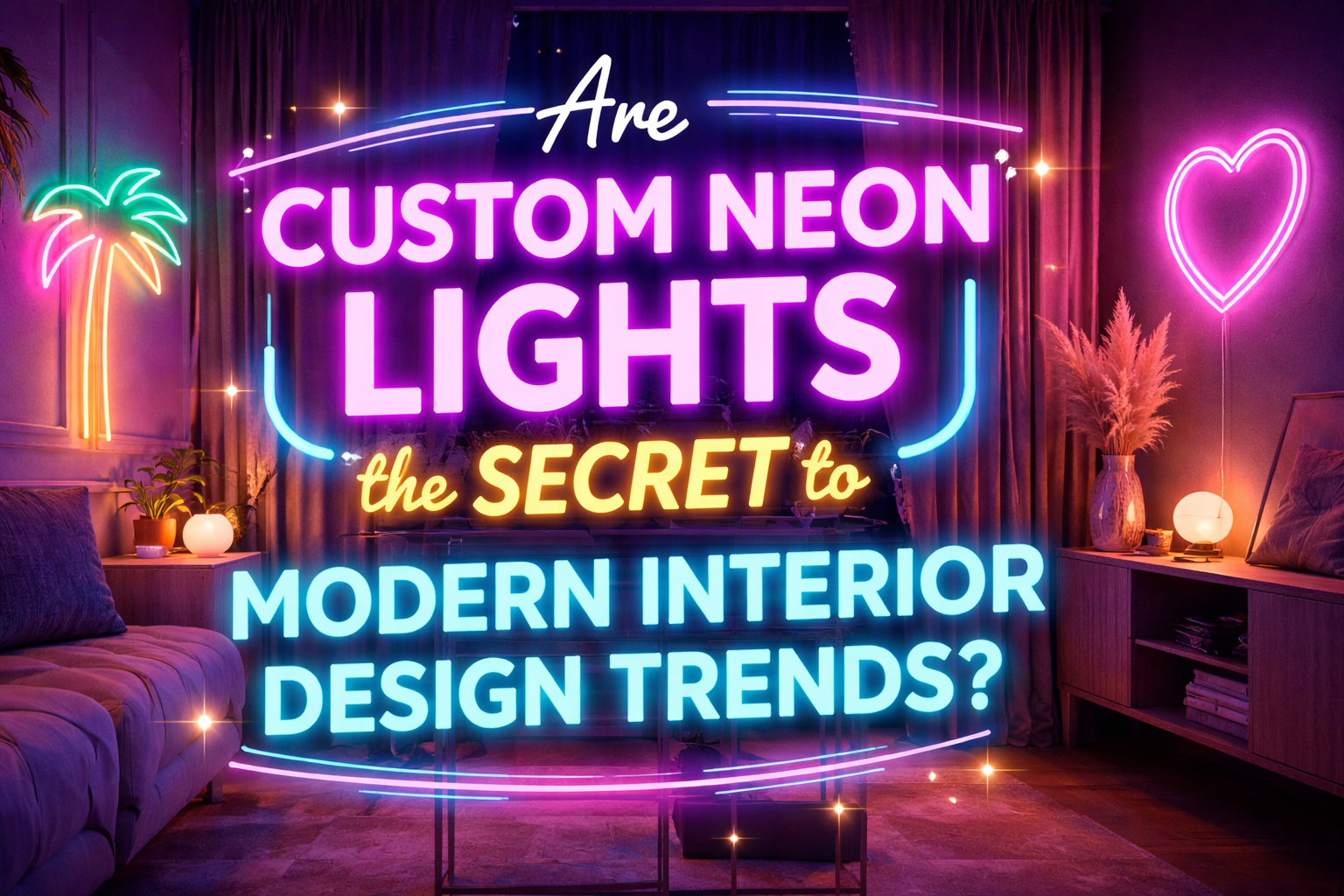
Changing an entire living room can be expensive and time-consuming. Sometimes, a small decorative addition is enough to give the room a different feel. Custom Neon Lights can be one such option. A personalised illuminated sign can turn an otherwise plain wall into a noticeable feature without requiring major changes to furniture or paint.
The appeal of custom lighting is that it can be designed around the space. Instead of choosing a standard wall decoration, homeowners can select a name, phrase, symbol, initials, or simple design that has some personal meaning.
However, choosing the right sign involves more than picking a colour that looks attractive. Size, wall space, brightness, furniture arrangement, cable placement, and the overall style of the room should all be considered.
Why Living Rooms Are Ideal for Custom Lighting
Living rooms often contain a combination of sofas, tables, shelves, artwork, curtains, and entertainment units. A large empty wall can sometimes make the room feel incomplete, while too many decorative objects can make it look crowded.
A carefully selected illuminated sign can provide a middle ground.
Custom Neon Lights can help:
- Create a focal point
- Add personality to an empty wall
- Complement existing décor
- Introduce colour without repainting
- Highlight a particular area
- Create a memorable background for photographs
The key is to use the sign as part of the overall room design rather than treating it as a separate decoration.
1. Use a Custom Sign on a Plain Wall
A large empty wall is one of the easiest places to install a personalised sign.
If the wall behind a sofa or console table looks too plain, a short phrase or simple symbol can fill the space without requiring several separate decorative items.
Before ordering, measure the wall carefully.
A sign that is too small may disappear visually, while one that is too large can overwhelm the furniture underneath it.
Leaving some empty space around the design usually creates a cleaner appearance.
2. Create a Feature Wall Behind the Sofa
The wall behind the main sofa is naturally noticeable.
This makes it a good location for Neon Lights.
A personalised phrase, family name, initials, or minimal symbol can sit above the sofa and act as the main decorative element.
The sign should be positioned at an appropriate height so that it is visible without feeling disconnected from the seating area.
If the sofa is wide, consider a design with enough horizontal balance to complement its proportions.
3. Add a Family Name
A family-name sign can give a living room a personal touch.
Instead of using a generic decorative quote, you can display a surname or a combination of initials.
This can work particularly well in homes where the décor is simple and neutral.
A clean font with moderate brightness can make the sign feel like part of the interior rather than a temporary decoration.
4. Display a Short Quote
Quotes are another popular option for personalised wall lighting.
However, the phrase should not be too long.
Short expressions are easier to read and generally look better from a distance.
Possible ideas include:
- Make It Happen
- Stay Positive
- Home Sweet Home
- Good Vibes
- Choose Happiness
- Enjoy the Moment
The wording should match the personality of the household.
If the room already contains several decorative messages, a simple name or symbol may provide better visual balance.
5. Try a Minimal Symbol
Not every design needs text.
A simple heart, star, abstract shape, musical symbol, or other personalised icon can create a stylish feature without adding words to the wall.
Minimal designs can be particularly effective in contemporary living rooms where the furniture and décor already have strong visual lines.
A simple illuminated shape can add colour and light while keeping the overall arrangement understated.
6. Match the Design With Your Furniture
Furniture should influence the choice of custom lighting.
For example, a modern sofa with clean lines may work well with a simple geometric or minimal sign.
A more traditional living room may suit softer lettering or a classic personalised design.
Look at:
- Sofa style
- Coffee table
- Curtains
- Shelving
- Flooring
- Wall colour
- Existing artwork
The sign does not need to match every item exactly. It simply needs to feel connected to the room.
7. Consider the Wall Colour
Wall colour can significantly change the appearance of illuminated signs.
A darker wall may provide stronger contrast, while a light-coloured wall can create a softer look.
Before selecting the colour of your Custom Neon Lights, consider how it will appear during both daytime and evening.
Natural sunlight can also affect visibility.
If the wall receives direct sunlight for several hours, a softer design may not stand out as much during the day. Consider this when choosing the size and colour.
8. Use Lighting Around the TV Area Carefully
Many living rooms have a television or entertainment unit as their main feature.
If you want to add a personalised sign in this area, avoid creating too much visual competition.
A sign positioned on a nearby wall can add character without distracting from the screen.
Avoid extremely bright lighting directly behind or beside the television if it causes unwanted reflections.
The goal should be to create a comfortable entertainment area rather than making every object compete for attention.
9. Create a Photo-Friendly Corner
A living room can also become a natural background for family photographs, celebrations, and social media content.
A personalised sign can make a particular wall more recognisable.
You could use:
- A family name
- A short phrase
- Initials
- A meaningful date
- A simple symbol
Position the sign where people can naturally appear in front of it without blocking the design.
This can turn an ordinary corner into a dedicated photo area.
10. Make a Small Living Room Feel More Designed
Small living rooms require careful decoration.
Adding too many wall elements can make the space feel crowded.
One appropriately sized illuminated sign may be enough to create a focal point.
Instead of filling the walls with several frames, shelves, and decorative objects, consider keeping the surrounding area simple.
The empty space around the sign can actually make the room feel more organised.
11. Place the Sign Above a Console Table
A console table is another practical location for Neon Lights.
The combination of a small table and wall-mounted sign can create a simple decorative arrangement.
You can place a few restrained objects on the console, such as:
- Small decorative items
- Books
- A vase
- Family photographs
- A plant
The sign can remain the main visual feature while the objects below provide balance.
Avoid filling the entire table because too many items can compete with the illuminated design.
12. Use a Personalised Sign for Family Gatherings
Living rooms often become gathering spaces during birthdays, festivals, dinners, and family occasions.
A personalised sign can remain on the wall throughout the year rather than being used only for a single event.
A family name or simple phrase is usually more versatile than a design connected to one specific celebration.
This makes the investment more useful for everyday décor.
13. Consider Brightness Carefully
A common mistake is selecting a sign that is much brighter than necessary.
The living room may already have ceiling lights, lamps, wall fixtures, and natural light.
The custom sign should work with these sources rather than overpower them.
Think about how the room looks:
- During the afternoon
- In the evening
- With the main lights switched on
- With only accent lighting
- While watching television
If the sign can be adjusted, choose a brightness that feels comfortable for different situations.
14. Plan Cable Management Before Installation
A beautiful wall sign can lose some of its appeal if the power cable is left hanging visibly.
Before installation, determine where the nearest socket is located and how the cable will reach it.
Consider:
- Cable length
- Socket position
- Mounting method
- Wall surface
- Cable concealment
- Accessibility for maintenance
Planning these details before ordering can make the final installation look much cleaner.
15. Leave Space Around the Design
A custom sign needs breathing room.
If it is placed directly beside large artwork, shelves, mirrors, or other bright decorations, the wall can become visually crowded.
Instead, give the sign enough empty space to remain clearly visible.
This is especially important when using a quote or detailed design.
The simpler the surrounding wall, the more easily people can notice the sign.
16. Combine Custom Neon Lights With Existing Décor
There is no need to redesign the entire living room just because you are adding Custom Neon Lights.
They can work alongside existing:
- Wall art
- Family photographs
- Mirrors
- Shelves
- Rugs
- Curtains
- Furniture
The important thing is to maintain a consistent visual style.
If the room already has a strong colour palette, choose an illuminated design that complements it instead of introducing several unrelated colours.
17. Think About Room Size Before Ordering
Always measure before purchasing.
Consider:
- Wall width
- Ceiling height
- Furniture dimensions
- Distance from nearby objects
- Available installation area
Do not rely only on photographs or online product previews.
A design that looks perfect on a large wall may appear oversized in a compact apartment living room.
Proportion is often more important than size.
18. Choose Quality and Practicality
Appearance is important, but the neon lights should also be suitable for regular indoor use.
When comparing Neon Lights, consider:
- Construction quality
- Materials
- Brightness
- Power requirements
- Mounting system
- Cable arrangement
- Manufacturer instructions
- Maintenance requirements
A simple, well-made design can remain attractive for much longer than a complicated product chosen only because it looks impressive in photographs.
Maintenance and Care
Custom illuminated signs should be cared for according to the manufacturer's instructions.
For indoor installations, keep the sign away from unnecessary moisture.
Dust the surface gently with a suitable soft cloth and avoid harsh cleaning products unless specifically recommended.
Periodically check visible cables and connections.
If you notice unusual flickering, damage, overheating, or another electrical problem, switch the sign off and follow the manufacturer's safety guidance.
Common Mistakes to Avoid
Before installing Custom Neon Lights in your living room, avoid:
- Choosing an oversized design
- Using too many words
- Ignoring wall measurements
- Selecting a colour that clashes with the décor
- Making the sign excessively bright
- Forgetting cable management
- Placing it too close to other decorations
- Ignoring the location of electrical sockets
- Choosing appearance without considering maintenance
Good planning can prevent most of these problems.
Final Thoughts
Custom Neon Lights can give a living room a distinctive identity without requiring a complete interior makeover. Whether you choose a family name, short quote, initials, symbol, or another personalised design, the right sign can turn an ordinary wall into an attractive focal point.
The best results usually come from keeping things simple. Choose a size that fits the wall, a colour that works with the room, and a brightness that remains comfortable during both day and night.
Before selecting Neon Lights, consider the furniture arrangement, wall colour, room size, power access, installation method, and surrounding décor.
With thoughtful planning, a personalised illuminated sign can become a natural part of the living room rather than an isolated decorative object. It can add character, create a memorable corner for photographs, and give the space a more personal feel while keeping the rest of the room comfortable and balanced.