How to Use Adivasi Hair Oil for Weak Hair Roots?
Weak hair roots often describe hair that sheds easily, feels fragile near the scalp, or breaks during washing and styling. However, these concerns can have different causes, so hair oil should be treated as supportive cosmetic care rather than a guaranteed solution for hair loss. A careful routine can improve lubrication, reduce friction, and make handling gentler. The safest approach is to use a modest amount, avoid aggressive massage, keep the scalp comfortable, and seek qualified medical advice when shedding becomes sudden, patchy, painful, or persistent. Without adding unnecessary scalp stress.
First, Identify What “Weak Roots” Really Means
People often use “weak roots” to describe several different problems. Hair may fall from the scalp, snap along the shaft, appear thinner, or feel less secure during combing. These situations are not interchangeable, and oiling affects them differently.
Shedding Is Different From Breakage
Shedding happens when an entire strand separates from the follicle as part of the hair cycle or because of another contributing factor. Breakage, in contrast, occurs when the hair shaft snaps. Dryness, chemical processing, rough detangling, tight styles, and excessive heat can contribute to breakage.
Oil can help lubricate the shaft and reduce friction during handling. However, it cannot reliably correct every cause of increased shedding. Therefore, noticing whether you see full-length strands or short broken pieces can help you choose a more sensible care routine.
Scalp Symptoms Matter
A healthy-looking scalp does not guarantee that every hair concern is cosmetic, but visible symptoms can provide useful clues. Persistent redness, severe itching, sores, thick scaling, pain, or bald patches deserve professional assessment.
Likewise, sudden or unusually heavy shedding should not be managed by simply increasing oil quantity. Hair changes may relate to numerous biological, nutritional, hormonal, medical, medication-related, or stress-related factors. Consequently, appropriate evaluation can be more useful than relying on cosmetic products alone.
Choose Hair Oil With Care
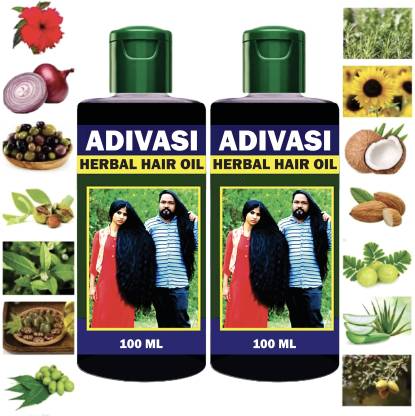
Products described as Adivasi hair oils can differ substantially in composition. Some contain carrier oils, plant extracts, fragrances, essential oils, or other cosmetic ingredients. Therefore, read the label rather than assuming that every formulation has the same properties.
When considering original adivasi hair oil, review the ingredient list, intended application area, usage directions, storage instructions, and any warnings before placing it on the scalp.
Check for Ingredients That May Irritate You
Botanical ingredients can still cause irritation or allergic reactions in susceptible people. Fragrance, essential oils, or particular plant extracts may be problematic for sensitive skin.
Before broad scalp use:
-
Read the full ingredient list.
-
Avoid ingredients that have caused previous reactions.
-
Follow any patch-test instructions on the label.
-
Stop use if significant burning, swelling, or persistent redness develops.
-
Seek medical attention for severe reactions.
Prepare the Scalp and Hair Before Oiling
Preparation should reduce friction rather than create more manipulation. A clean, comfortable scalp and gently detangled hair provide a practical starting point.
Avoid Applying Oil Over an Irritated Scalp
Do not massage oil forcefully into skin that is sore, broken, inflamed, or actively irritated. Similarly, applying a heavy layer over substantial sweat and styling residue may feel uncomfortable.
If the scalp is dirty after intense exercise, cleanse when needed before the next oiling session. Meanwhile, if symptoms persist despite gentle care, pause cosmetic experimentation and consider professional assessment.
Detangle With Minimal Pulling
Knots can increase tension near the roots when oil is being applied. Therefore, separate tangles gently before beginning.
For long or dense hair, divide it into sections. Start detangling from the ends and work upward when appropriate for your hair type. Curly or coily hair may need a texture-specific method, including detangling with suitable slip rather than dry brushing.
Apply Adivasi Hair Oil Gently
Technique matters more than force. If someone is worried about fragile roots, vigorous rubbing, scratching, and tight pulling are particularly unhelpful.
Use a Small Amount First
Pour a modest quantity into your palm rather than directly flooding the scalp. Rub it between your hands, then distribute a thin layer across selected areas.
A practical sequence is:
-
Part the hair into a few manageable sections.
-
Apply small amounts along the scalp if the product permits scalp use.
-
Spread the oil with fingertip pads, not nails.
-
Smooth a little through dry mid-lengths and ends.
-
Add more only where needed.
-
Stop before the hair feels saturated or excessively heavy.
Massage With Light Pressure
Scalp massage should feel gentle and comfortable. Use the pads of your fingers in small movements without scratching the skin.
Avoid rapid rubbing, forceful circular motions, or pulling hair between the fingers. These actions do not make an oil work better. Moreover, vigorous manipulation can loosen already-detached hairs, tangle lengths, or irritate sensitive skin.
Decide How Long to Leave the Oil On
There is no universal contact time for every formulation, scalp, or hair type. Follow the instructions supplied with the product first.
Start With a Short Pre-Wash Session
A shorter pre-shampoo application can be practical for people trying a product for the first time. It allows you to see whether your scalp tolerates the formula and whether your shampoo removes it comfortably.
Longer exposure does not automatically produce stronger roots or faster growth. Therefore, do not assume that leaving oil on for many hours delivers greater biological effects.
Overnight Oiling Is Optional
If the label allows overnight use and your scalp remains comfortable, you may choose it. However, overnight application is not required for a responsible hair-care routine.
People who sweat heavily during sleep or wake with itchy, greasy roots may prefer shorter contact. Similarly, use a clean pillow covering if oil is likely to transfer onto fabric, and avoid tying the hair tightly while sleeping.
Wash Oiled Hair Without Creating Extra Stress
Hair that feels fragile needs effective cleansing with minimal pulling. The objective is to remove excess oil and scalp residue without turning washing into a harsh process.
Shampoo the Scalp Carefully
Wet the hair as directed for your cleanser. Then distribute shampoo across the scalp with fingertips rather than nails.
Allow the cleanser and rinse water to move through the lengths instead of repeatedly scrubbing the ends. If one wash removes the oil, there is no need to shampoo again automatically. However, a second gentle cleanse may help when noticeable residue remains.
Condition the Lengths
Conditioner improves slip and can reduce friction during detangling. Apply it mainly to the mid-lengths and ends unless the product directions advise otherwise.
After rinsing, avoid twisting, wringing, or rubbing hair aggressively with a towel. Instead, blot or wrap gently with a suitable soft fabric.
Wet hair can stretch more easily, especially when chemically processed or damaged. Therefore, careful post-wash handling matters when breakage is part of the concern.
Build a Routine That Protects Fragile Hair
Oiling is only one part of hair care. If daily habits keep placing tension, heat, or friction on the strands, adding more oil will not remove those sources of stress.
Reduce Tight Hairstyles
Repeated tension from tight ponytails, buns, braids, or extensions can stress hair and the scalp. Choose looser styles when possible, especially if you notice soreness around the hairline.
Use Heat More Carefully
Frequent high-temperature styling can contribute to dryness and shaft damage. Lower heat settings, sensible frequency, and suitable heat-protection products can support a gentler routine.
Oil should not automatically be applied immediately before hot tools unless the product is specifically formulated and labeled for that purpose. Some oils are not intended to function as heat protectants.
Limit Rough Brushing
Brushing through resistant knots can increase breakage. Instead, work through tangles gradually and use tools appropriate for your texture.
Adjust Oiling to Your Hair and Scalp Type
The same quantity and frequency will not suit everyone. Hair density, strand thickness, scalp oiliness, curl pattern, chemical processing, and climate all influence how an oiling routine feels.
Fine or Oily Hair
Fine hair can become flat quickly. Start with very little oil, and consider concentrating more on the lengths than the roots.
If the scalp already produces noticeable oil between washes, frequent direct application may add heaviness. Therefore, use scalp comfort and cleansing results as feedback.
Dry, Curly, Coily, or Coarse Hair
These textures may benefit from additional lubrication along the lengths, particularly where friction and dryness are common. Sectioning can improve distribution.
Nevertheless, dry lengths do not necessarily mean the scalp requires heavy oiling. Treat the scalp and hair shaft as separate areas with different needs.
Chemically Treated or Heat-Damaged Hair
Processed hair may break more readily because chemical and thermal treatments can alter the hair fiber. Oil can improve surface lubrication, but it cannot permanently restore severely damaged strands.
Consequently, pair oiling with gentle conditioning, lower-friction handling, reduced heat exposure, and trimming when ends become badly split or frayed.
Know What Hair Oil Can and Cannot Do
Realistic expectations protect users from misleading promises. Cosmetic oils can improve softness, shine, lubrication, and manageability depending on the formulation and hair type.
However, describing follicles as “weak” does not identify a medical cause. Oil cannot be responsibly promised to reverse hereditary thinning, cure scalp disease, stop all shedding, or permanently strengthen every follicle.
Focus on Cosmetic Support
A sensible goal is to make hair easier to handle with less friction. This can be particularly useful when breakage contributes to the impression that hair is becoming weaker.
Regular gentle care may help preserve existing length by reducing unnecessary mechanical damage. Nevertheless, preserving strands is different from stimulating new biological growth.
Recognize When Oil Is Not Enough
Professional evaluation may be appropriate when you notice:
-
Sudden or rapidly increasing hair loss
-
Distinct bald or thinning patches
-
Persistent scalp pain or inflammation
-
Heavy scaling or sores
-
Hair loss accompanied by other unexplained symptoms
-
Significant shedding that continues despite gentle care
Avoid Mistakes That Can Increase Root Stress
Several common oiling habits can create more manipulation than the hair needs. Correcting them often matters more than adding another product.
Do Not Rub Harder for Better Results
More pressure does not mean better absorption or stronger follicles. Gentle spreading is enough for application.
Similarly, avoid scratching the scalp with fingernails. Small abrasions can irritate and make the routine uncomfortable.
Do Not Leave Heavy Buildup for Days
Repeatedly layering oil without adequate cleansing can leave the scalp and hair coated. A heavy residue may also make styling and washing more difficult.
Use a quantity you can remove comfortably. Moreover, wash according to scalp needs, activity level, and product buildup rather than following an inflexible schedule.
Do Not Treat Shedding as Proof the Oil Is Working
Seeing strands during massage does not demonstrate a cleansing or renewal process. Some hairs may already be ready to shed, while forceful handling can also make detached strands more noticeable.
Conclusion
Using Adivasi hair oil for fragile roots should center on gentle handling, moderate quantities, careful cleansing, and realistic expectations. Oil can support lubrication and reduce friction, but it cannot reliably correct every cause of shedding or follicle weakness. Therefore, protect the hair from pulling, harsh brushing, excessive heat, and unnecessary buildup. Most importantly, treat sudden, patchy, painful, or persistent hair loss as a reason to seek qualified assessment rather than simply applying more oil.
FAQs
1. Can Adivasi hair oil strengthen weak hair roots permanently?
Hair oil may support lubrication and gentler handling, but it should not be expected to permanently strengthen follicles or correct every cause of shedding. If hair loss is persistent, sudden, or patchy, professional assessment is appropriate. Cosmetic care works best when expectations remain focused on manageability and reduced friction.
2. How often should I oil hair that feels weak at the roots?
No fixed schedule suits everyone. Start conservatively and adjust according to scalp oiliness, comfort, washing frequency, and product directions. If frequent oiling causes buildup or requires repeated shampooing, reduce it. A routine that minimizes pulling and irritation is usually more sensible than heavy daily application.
3. Should I massage the scalp when my roots feel fragile?
Gentle massage can spread oil, but pressure should remain light. Use fingertips rather than nails and avoid pulling the hair. Strong massage does not reliably make follicles stronger. If the scalp feels sore or inflamed, skip massage and consider professional advice if the discomfort continues.
4. Can I leave hair oil overnight for weak roots?
Overnight use is optional and should follow the product directions. Longer contact does not guarantee improved growth or stronger follicles. If overnight oiling leaves the scalp itchy, greasy, or uncomfortable, use a shorter pre-wash period. Comfort, tolerance, and easy cleansing are more useful indicators than duration.
5. Why do I see more hair falling while applying oil?
Manipulation can make already-detached strands more visible, especially when fingers move through the hair. Aggressive rubbing may also increase tangling or breakage. Apply oil gently and avoid repeated pulling. Sudden, excessive, patchy, or persistent shedding deserves appropriate medical evaluation rather than stronger massage.
6. Should I apply oil only to the roots or to the full hair length?
If scalp use is permitted, apply a light amount near the roots and distribute additional oil through dry lengths if needed. Hair shafts often benefit from lubrication because it reduces friction. However, oily scalps may need less direct application, while dry ends may require more attention.
7. Can I use hair oil on an itchy or flaky scalp?
That depends on the cause of the symptoms and the formulation. Persistent itching or scaling can have several causes, and oil may not be suitable for each one. Avoid applying products to broken or inflamed skin. Seek professional assessment when symptoms are severe, prolonged, painful, or worsening.
8. How should I wash oil out without pulling fragile hair?
Use enough shampoo to cleanse the scalp without aggressive scrubbing. Massage gently with fingertips and rinse thoroughly. Apply conditioner to the lengths for slip, then detangle carefully. Reducing the amount of oil used can also make cleansing easier and lessen the need for repeated washing.
9. Can Adivasi hair oil help with breakage near the roots?
Oil may reduce friction and improve lubrication, which can support gentler handling. However, breakage near the roots may also relate to tight hairstyles, chemical treatments, heat, or mechanical stress. Address those factors alongside oiling. Persistent breakage or scalp symptoms may require professional assessment.
10. When should I stop using a hair oil?
Stop if the product causes significant burning, swelling, persistent redness, worsening itching, or another concerning reaction. Also reconsider the routine if buildup becomes difficult to remove or the scalp feels consistently uncomfortable. Severe reactions need prompt medical attention, while ongoing hair loss may require separate evaluation.