Make Your Press Release More Visible with PRWeb
Ever notice how some press releases seem to magically show up everywhere, while others just sit there like forgotten flyers on a bulletin board? I’ve watched companies pour hours into writing a solid announcement, only to realize no one ever sees it. And honestly, it’s kind of strange when you think about it, because the content wasn’t the problem. Visibility was.
That’s usually the moment when someone on the team asks the obvious question: “Isn’t this what PR distribution platforms are for?” Yes. And one of the places that consistently comes up in conversations is PRWeb.
I’ve worked with PRWeb on and off for years, and every time I circle back to it, I’m reminded why it still matters. It’s not perfect, but it does something a lot of brands overlook: it gives your story an actual chance to be discovered, not just posted.
Anyway, let me break down why it works and how to get more out of it.
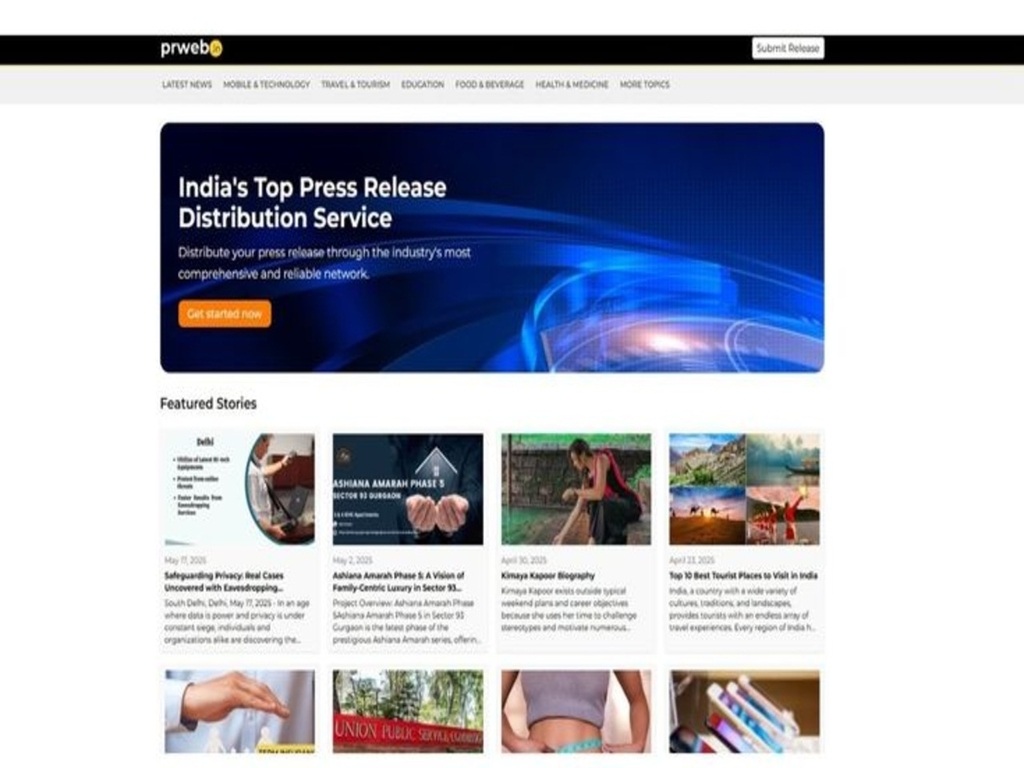
Why visibility matters more than we think
A press release is, at its core, a signal. You’re telling journalists, bloggers, partners, and maybe investors: something just happened over here. But here’s the thing… the signal only counts if someone actually hears it.
I’ve seen great releases die in inboxes. I’ve seen weaker ones take off simply because they landed in the right place at the right time. Distribution changes everything. It’s why using a press release submission website isn’t just a convenience; it’s part of the strategy.
PRWeb’s advantage is pretty simple: it pushes your release into channels that already have an audience. News sites, search engines, and niche industry pages. I remember one SaaS startup I worked with that had almost no media contacts. They pushed a single product update through PRWeb, didn’t expect much, and ended up getting quoted on three industry blogs they’d never even heard of. Honestly, we weren’t fully sure why those blogs picked it up, but sometimes distribution just does that.
And then…
Search engines start indexing your announcement. You show up for more branded keywords. People who never read press releases start seeing headlines about you on pages they trust. Visibility compounds.
What PRWeb does that people underestimate
Let me say something I didn’t expect to discover early on: journalists actually scroll distribution feeds more than they admit. Not always, but enough that it matters.
PRWeb pushes your release to:
• Search engines like Google and Bing
• News platforms that syndicate announcements
• Industry-specific pages that follow certain topics
• Subscribers who track categories or company names
It’s not glamorous. It’s not flashy. But it works more often than people think. And, kind of funny how this happens, sometimes you’ll get unexpected pickup from a site outside your main industry. I once saw a fitness brand get mentioned on a small tech blog simply because their release had an angle about wearable sensors. Go figure.
Another underrated part: the backlink. PRWeb gives you a clean, legitimate link from a trusted domain. If SEO matters to you at all, that alone is worth paying attention to.
A quick thought worth sharing
One mistake I see all the time: brands treat a press release like a one-and-done task. Write it, upload it, send it. Finished.
But why not think of it as an asset you can repurpose?
A well-distributed PRWeb release can support:
• LinkedIn posts
• Founder announcements
• Investor updates
• Email newsletters
• Sales conversations
• Google News visibility
I mean… if you’re already investing the effort to craft a clear announcement, squeezing more value out of it just makes sense.

How to make your PRWeb release work harder
A few practical things I’ve learned the hard way:
1. Lead with an angle, not a feature list.
Journalists skim. They don’t want a product brochure. They want a reason to care. For example, instead of saying “Company launches new AI-powered tool,” try anchoring it in a trend: “Small businesses finally get an AI tool that doesn’t require a data team.” It lands differently.
2. Write in plain English.
I know it can be tempting to sound impressive, but clarity gets more pickup. PRWeb’s audience includes general readers, not just media professionals.
3. Add one concrete detail.
Just one. A number, a quote, a date, a user count. It makes the announcement feel grounded. Ever noticed press releases without specifics feel like fluff?
4. Use the link placement wisely.
Place a link around the second or third paragraph, not just at the bottom. People actually click mid-story more often.
5. Think about keywords, but don’t overdo it.
Simple SEO still matters. A natural use of “press release submission website,” product terms, or your brand name helps search engines understand the context. No need to stuff anything.
6. Follow up after distribution.
This part gets ignored. Once PRWeb publishes your announcement, share the link across your channels. Reporters sometimes check engagement signals before deciding whether to cover a story. A little social proof goes a long way.
Why this still works in 2025
People keep saying press releases are outdated. Yet every year, PR teams keep using them. And not out of nostalgia. The format works because it gives structure to news. It gives journalists something quotable. It gives customers a reference point. And it gives Google something to index.
PRWeb might not be the flashiest platform in the stack, but it does something very few tools do consistently: it helps your announcement get seen by people who were never going to stumble on your website by accident.
If your goal is awareness, or legitimacy, or just showing your market that you’re moving, this is one of the easier wins. You publish once, and the ripple effect can last weeks or months.
It's kind of strange how a single distribution choice can change the trajectory of an announcement. But that’s PR.
And honestly, after seeing it play out enough times, I’m not surprised anymore.
Reference Materials
- Free Alternatives to Paid Press Release Distribution
- How to Increase Website Traffic Without Paid Ads
- Shocking Stats from This Press Release Submission Websites
- Submit Press Release Today and Highlight Your Product to Indian Market
- Share Your Press Release on PRWeb for Better Reach
- Increase Your News Coverage Using PRWeb's Submission Features
- Post Press Release Like Watch
- Increase Media Exposure Instantly with PRWeb.in