Guide to Choosing an Under-Cabinet Stove Hood Vent
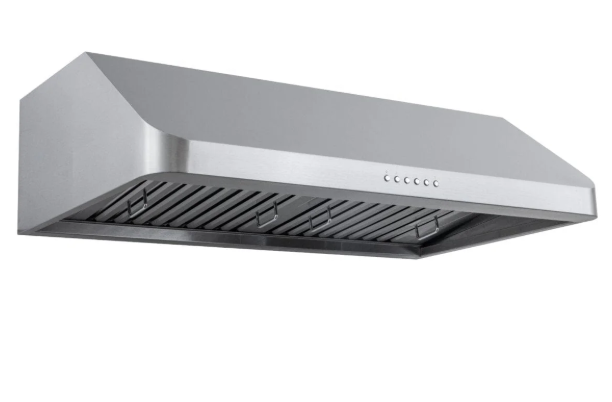
A well-designed kitchen depends on more than attractive cabinets and modern appliances. Proper ventilation plays a critical role in maintaining indoor air quality by removing smoke, grease, steam, and cooking odors generated during meal preparation. Without an effective ventilation system, airborne particles can settle on surfaces, increase moisture levels, and make the kitchen less comfortable over time. An under-cabinet stove hood vent is one of the most popular ventilation solutions because it maximizes available space while delivering reliable performance. Installed beneath an overhead cabinet, this type of range hood efficiently captures cooking byproducts and vents them outdoors or filters the air, depending on the model. Understanding its features, benefits, and installation considerations can help homeowners choose a system that fits both their kitchen layout and cooking habits.
What is an under-cabinet stove hood vent?
An under-cabinet stove hood vent is a range hood designed to fit beneath a kitchen cabinet located directly above the cooktop. This placement provides effective ventilation without occupying additional wall or ceiling space, making it a practical option for many kitchen designs. These range hoods are available in ducted and ductless configurations, multiple widths, and a variety of finishes, allowing homeowners to select a model that complements both their cooking appliance and kitchen décor.
Benefits of Under-Cabinet Range Hoods
Many homeowners prefer under-cabinet models because they combine functionality with efficient use of space. Some of the key advantages include:
- Effective removal of smoke and cooking odors.
- Reduced grease accumulation on surrounding surfaces.
- Better indoor air quality.
- Space-saving installation beneath existing cabinetry.
- Compatibility with a wide variety of kitchen layouts.
These benefits make under-cabinet ventilation one of the most widely used solutions in residential kitchens.
Important Features to Consider
Before selecting an under-cabinet stove hood vent, several features deserve careful attention.
Airflow Capacity
Choose a range hood with adequate airflow (CFM) based on the size of your cooktop and the type of cooking you perform most often.
Ventilation Style
Ducted systems generally provide superior smoke and odor removal by exhausting air outdoors, while ductless models recirculate filtered air back into the kitchen.
Filter Type
Stainless steel baffle filters and aluminum mesh filters are both common options. Removable filters simplify cleaning and help maintain consistent airflow.
Lighting
Integrated LED lighting improves visibility over the cooking surface while offering long-lasting, energy-efficient illumination.
Noise Levels
Many modern range hoods feature multiple fan speeds, allowing homeowners to balance ventilation performance with quieter operation.
Installation Considerations
Proper installation helps maximize the efficiency of an under-cabinet stove hood vent. For optimal performance:
- Position the hood at the recommended height above the cooktop.
- Use rigid metal ductwork whenever possible.
- Keep duct runs short and direct.
- Minimize unnecessary bends in the duct system.
- Ensure all duct connections are securely sealed.
Following installation guidelines helps improve airflow while reducing operating noise.
Maintenance Tips for Long-Term Performance
Routine maintenance keeps the ventilation system operating efficiently. Recommended maintenance includes:
- Cleaning grease filters regularly.
- Wiping exterior surfaces to remove grease buildup.
- Inspecting ductwork for obstructions.
- Checking fan operation periodically.
- Replace charcoal filters in ductless systems as recommended.
Consistent maintenance helps preserve airflow and extend the lifespan of the appliance.
Common Buying Mistakes
Choosing the wrong ventilation system can reduce overall performance. Avoid these common mistakes:
- Selecting a hood with insufficient airflow.
- Ignoring the available cabinet space.
- Failing to plan the ductwork layout.
- Skipping routine filter cleaning.
- Installing the hood higher than recommended.
Taking these factors into account can improve both efficiency and long-term satisfaction.
Conclusion
An under-cabinet stove hood vent is an excellent solution for homeowners who want effective kitchen ventilation without sacrificing valuable space. By selecting the right airflow capacity, ventilation style, filter system, and installation method, you can enjoy cleaner indoor air and a more comfortable cooking environment. If you're also considering a 36 exhaust hood for a larger cooking surface, comparing hood size with your range dimensions will help ensure optimal ventilation performance.