How to Choose a 36-Inch Chimney Range Hood For Your Home Kitchen
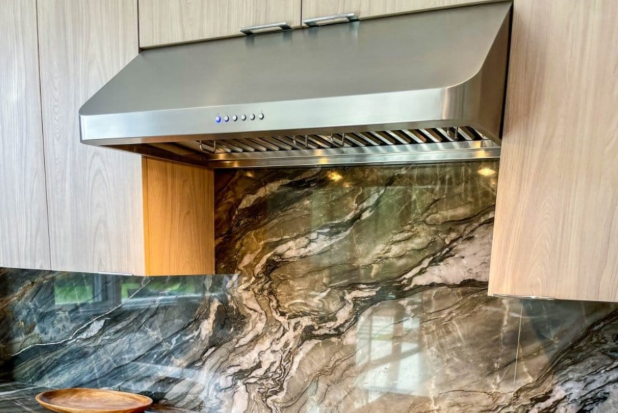
The range hood is one of the hardest-working appliances in a kitchen, pulling smoke, grease, and odors away from the cooktop every day. For homes with a 36-inch range or cooktop, a 36-inch chimney range hood is a popular choice because it matches the cooking surface and adds a strong visual focal point. Picking the right one involves more than appearance, though. Width, airflow, venting, and materials all affect performance. This guide walks through each factor so you can compare models with confidence and avoid common mistakes.
Sizing and Airflow Basics
Performance starts with fit and power. A well-chosen 36-inch chimney range hood should be sized to the cooktop and rated for the way you cook. Getting these two details right matters more than any single feature.
Match the Width
A common guideline is to choose a hood about 6 inches wider than the cooktop, with 3 inches of overhang on each side. A 36-inch hood fits that rule for a 30-inch cooktop and is also a common match for 36-inch ranges, where generous coverage helps capture rising steam and smoke before it spreads.
Choose the Right CFM
CFM measures airflow. Models around 600 to 900 CFM suit most home cooks with standard ranges and moderate cooking habits. Between 900 and 1200 CFM works better for avid cooks or larger ranges that produce more exhaust. Above 1200 CFM is typically reserved for outdoor grills and professional setups that create heavy grease and intense fumes.
Ducted or Ductless
Ducted hoods vent air outside, while ductless hoods recirculate air through filters. Some models can convert to ductless with an optional charcoal filter, which helps in kitchens where running a duct is difficult. Ducted venting generally removes moisture and heat more completely, so it is the better option when the layout allows it.
Materials, Features, and Styles
Finish and features determine how a hood looks and holds up over time. Many 36-inch chimney range hood designs use stainless steel, with controls and lighting built in for daily use. A few details are worth checking before you buy.
Stainless Steel Grades
Stainless steel is durable and easy to clean. Grade 430 is common for indoor kitchens, while 304 is a premium grade known for durability and weather resistance. If you live in a humid area or plan to cook outdoors, 304 is the safer choice.
Controls and Lighting
Look for adjustable fan speeds, simple push-button controls, and energy-efficient LED lighting. Multiple speeds let you run the fan gently while simmering and increase power when searing. LEDs light the cooktop clearly while using less energy than older bulbs.
Mounting Styles
Hoods come in wall-mounted, under-cabinet, island, and insert styles. Chimney designs are usually wall-mounted or island, with a vertical chimney covering the duct run for a clean finish. Insert models fit inside a custom hood surround instead.
Outdoor and Maintenance Considerations
Outdoor-rated hoods are built for open-air kitchens, with added protection against humidity, rain, and temperature changes. Cleaning matters too. Removable filters that can be washed help maintain airflow, since grease buildup reduces performance over time.
Conclusion
Choosing the right hood comes down to width, airflow, venting, and finish. Match the hood to your cooktop, size the CFM to how you cook, and confirm the venting path before buying. Placement raises its own questions, and homeowners often ask, "Can I put my range hood in front of a window?” It can be possible, but the hood, the duct path, and any window coverings must meet the manufacturer’s clearance instructions and local codes, so check both before installing. With those details settled, the hood will work quietly in the background for years.