How To Spot Reproductions Vs Authentic Vintage Tapestries
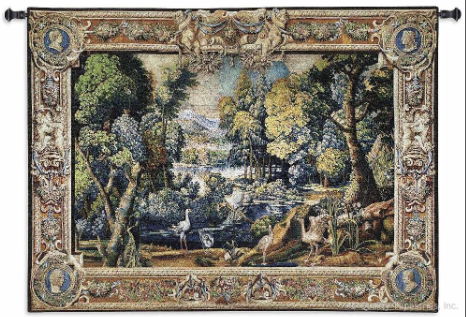
Collectors and interior designers often seek historic textiles for their craftsmanship and cultural depth. Authentic woven pieces reflect the techniques, materials, and artistic influences of their era. Reproductions, while visually appealing, typically lack the structural detail and fiber quality found in older works. Distinguishing genuine vintage tapestries from replicas requires careful observation and knowledge of weaving traditions. Understanding construction, texture, and aging characteristics provides clarity when evaluating decorative wall textiles in galleries or private collections.
Examining Authentic Vintage Tapestries
True vintage tapestries display subtle irregularities that indicate hand-guided weaving or early loom production. Slight variations in thread tension and color blending create natural depth. Aging signs, such as softened fibers and gentle fading, appear consistent across the surface. Authentic examples often feature detailed reverses that mirror the front design due to woven construction. Labels, provenance records, and historical context further support authenticity. Careful inspection of craftsmanship reveals distinctions that mass-produced items cannot replicate.
Evaluating Materials And Fiber Content
Authentic vintage tapestries typically use natural fibers such as wool, cotton, or silk. These materials age gradually, developing a softer texture and muted tone over time. Reproductions may incorporate synthetic blends that appear overly uniform or glossy. Examining the weave density and thread thickness can indicate whether traditional methods were used. Natural fibers also respond differently to light and handling, offering clues to a textile’s true age and origin.
Inspecting The Reverse Side
A reliable way to assess authenticity is by examining the back of vintage tapestries. Genuine woven pieces reveal thread transitions and color changes on both sides, though the reverse may appear slightly less refined. Printed reproductions often have a plain or coated backing with minimal texture. The presence of a consistent woven structure across the entire surface supports authenticity. Detailed reverses indicate that imagery was integrated directly into the fabric rather than applied afterward.
Identifying Signs Of Age And Wear
Over time, vintage tapestries develop natural patina, minor fraying along edges, and subtle discoloration from environmental exposure. These aging patterns appear gradual rather than artificially distressed. Reproductions may attempt to mimic age but often lack the nuanced fiber breakdown found in genuine pieces. Even wear distribution and gentle fading suggest authenticity. Sudden discoloration or exaggerated distressing may signal modern fabrication.
Comparing With Hanging Woven Wall Decor
Modern hanging woven wall decor often prioritizes decorative appeal over historical accuracy. Contemporary pieces may use digital design transfers or simplified loom techniques. While visually attractive, they typically lack the depth and layered shading of older works. Stitch precision in modern decor tends to be uniform, reflecting industrial production. Comparing craftsmanship side by side highlights differences in texture, fiber composition, and construction quality.
Distinguishing From Woven Wall Hanging Decor
Contemporary woven wall hanging decor may replicate historical motifs but often features brighter dyes and consistent thread patterns. Authentic textiles display gradual color variation due to natural dye processes and age. Modern reproductions sometimes include backing materials or machine-stitched edges for convenience. Observing finishing techniques and attachment loops can help determine the production era. Genuine older pieces usually reflect period-appropriate mounting methods.
Conclusion
Careful observation of fiber quality, weave consistency, reverse detailing, and aging patterns helps differentiate authentic tapestries from reproductions. Comparing them with modern decor highlights structural and material differences that define historical craftsmanship. Understanding these distinctions protects collectors from misrepresentation and preserves textile heritage. Decorative alternatives such as woven throw blankets may resemble traditional designs but lack the structural complexity of genuine wall textiles. Developing knowledge of weaving techniques, material composition, and historical context further strengthens informed purchasing decisions and long-term investment confidence.