Understanding Clearance Requirements for Wall‑Mounted Range Hoods
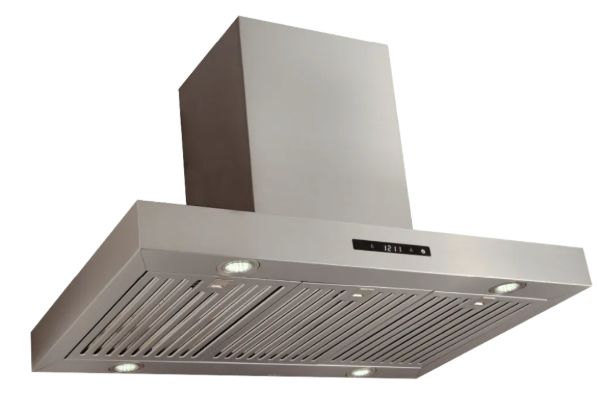
Installing a wall‑mounted range hood correctly is crucial not only for ventilation efficiency but also for home safety. One of the most important aspects of this installation is the range hood clearance, the distance between the bottom of the hood and the cooktop surface. This affects how well the hood captures smoke, heat, and airborne grease, and whether it complies with safety standards. In this comprehensive guide, we break down what you need to know about clearance requirements to ensure an effective, code‑compliant range hood installation.
Why Range Hood Clearance Matters
Clearance refers to the vertical distance between the cooking surface and the underside of the range hood. Too little clearance can expose the hood to excessive heat and increase fire risk, while too much can reduce the hood’s ability to capture steam and smoke efficiently. Most manufacturers and building codes define specific clearance ranges to balance performance and safety. A properly spaced range hood ensures it captures most combustion by‑products and cooking fumes before they spread throughout the kitchen.
Recommended Clearance Distances
Industry standards for range hood clearance vary by cooktop type. For wall‑mounted hoods, the bottom is typically installed 24–36 inches above the cooktop. Gas ranges, with higher heat output, often need hoods closer to 36 inches, while electric or induction cooktops work well at slightly lower heights. Manufacturers usually specify a minimum of 25–30 inches and a maximum of 36–42 inches, ensuring optimal smoke capture while avoiding heat damage to the hood.
Building Codes and Safety Guidelines
Local building codes align with manufacturer guidelines for range hood clearance, often requiring 24 inches for electric and about 30 inches for gas cooktops. Correct spacing reduces fire risk and protects kitchen components. Clearance also matters for surrounding cabinets or shelving; combustible surfaces must be positioned safely. If the hood is installed below the recommended height, protective non‑combustible materials may be needed to prevent heat damage or ignition.
Additional Factors Influencing Clearance Choices
Hood Power and Kitchen Layout
Suction power, measured in cubic feet per minute (CFM), affects the ideal range hood clearance. High-CFM hoods can be mounted slightly higher while still capturing smoke and steam efficiently, whereas lower-CFM models perform best closer to the cooktop. Additionally, kitchen layout and ceiling height influence installation height. Tall ceilings or open kitchens may need chimney extensions or custom placements that comply with code while optimizing airflow and maintaining effective ventilation. #Ducting Requirements Regardless of clearance distance, proper ducting plays a significant role in effective ventilation. Ducted range hoods must exhaust to the exterior using appropriate metal ductwork, not into attic spaces or crawlspaces. Smooth interior duct surfaces and proper joint sealing improve airflow and reduce resistance.
Installation Best Practices
Here are some key installation tips to follow when setting range hood clearance:
- Always follow both manufacturer recommendations and local building codes.
- Measure the clearance from the highest point of the cooktop’s heating surface to the bottom of the hood.
- Ensure the hood width is at least equal to the cooktop width, ideally slightly wider, for best coverage.
- Avoid airflow obstructions by ensuring the duct path is as straight and short as possible.
- For ceilings higher than standard, use manufacturer‑approved extensions or chimney kits to maintain correct clearance and aesthetics.
Conclusion
Getting the range hood clearance right is essential for safety, performance, and compliance. While recommended distances generally place the hood between 24 and 36 inches above the cooktop, always consult the specific instructions for your model and verify local codes before beginning installation. Proper clearance not only protects your investment in kitchen ventilation but also ensures cleaner air and safer cooking conditions. When selecting or upgrading your kitchen ventilation system, consider options like a stainless under-cabinet range hood, which can offer both efficiency and style while meeting clearance guidelines and enhancing overall kitchen design.