Understanding: How to Choose a Wall Mounted Range Hood for Your Kitchen
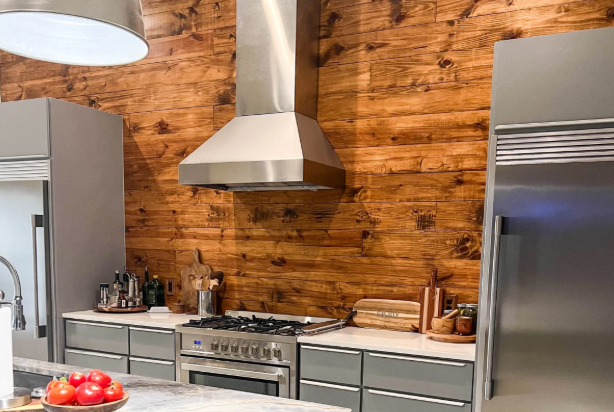
A well-designed kitchen needs more than attractive cabinetry and reliable appliances. Effective ventilation helps manage cooking odours, smoke, grease and excess heat, making the space more comfortable for everyday use. Choosing the right range hood can also complement your kitchen's layout and contribute to a cohesive interior design. A wall mounted range hood is a popular option for kitchens where the cooking surface sits against a wall, combining practical ventilation with a distinctive visual feature.
Why Wall-Mounted Ventilation Makes Sense
Wall-mounted range hoods are installed above a cooktop or range positioned against a wall. Their placement makes them suitable for many traditional and contemporary kitchen layouts, where they can provide ventilation without occupying overhead space elsewhere in the room. These hoods are available in various shapes, finishes and sizes. Stainless steel models offer a clean, professional appearance, while other finishes can complement darker cabinetry, light worktops or modern kitchen fixtures. Some designs feature a prominent chimney section that extends towards the ceiling, creating a focal point above the cooking area. Beyond appearance, ventilation performance is essential. Cooking can release airborne grease, moisture and odours, particularly when frying, grilling or preparing meals at high temperatures. A properly selected and installed hood helps capture and remove these airborne contaminants, improving comfort in the kitchen.
Consider Size and Kitchen Layout
Choosing the correct dimensions is one of the most important steps when selecting a range hood. The hood should generally be at least as wide as the cooking surface, although a wider model may be beneficial in some kitchens. Always check the manufacturer's sizing guidance and the applicable installation requirements for your appliance. The available wall space and ceiling height will also affect your choice. Measure the area above the cooktop, taking note of cabinets, shelves and other nearby features. The chimney section, if included, should fit comfortably within the available height. A wall mounted range hood should also be installed at the appropriate distance above the cooking surface. The recommended clearance varies according to the hood design and the type of cooktop, so follow the manufacturer's instructions rather than relying on a universal measurement.
Understand Airflow and Ventilation Options
Airflow capacity is another important factor. Range hoods are often rated in cubic feet per minute (CFM), which indicates the volume of air they can move. The right capacity depends on factors such as cooking habits, appliance output, kitchen size and ductwork configuration. Frequent high-heat cooking may require stronger ventilation than occasional light meal preparation. However, choosing the highest available CFM rating does not automatically guarantee better results. Proper installation, suitable duct dimensions and an effective capture area all influence performance. You should also decide between ducted and ductless ventilation. A ducted hood directs cooking air outside through a suitable duct system. A ductless model filters the air and returns it to the room, typically using grease filters and activated carbon filters to help manage odours.
Look for Useful Features and Easy Maintenance
Modern range hoods can include features designed to improve everyday convenience. Multiple fan speeds allow you to adjust ventilation according to the cooking task, while built-in lighting helps illuminate the cooktop. Some models also offer quieter operation at lower settings, which can be useful in open-plan living spaces. Filter design deserves attention as well. Grease filters collect airborne grease particles and need regular cleaning to maintain effective airflow. Many models use removable metal filters that can be cleaned according to the manufacturer's instructions. Ductless configurations may require periodic carbon-filter replacement. Noise levels, controls and lighting placement can make a noticeable difference to daily use. Consider how often you cook, whether you entertain guests and how close the kitchen is to living or dining areas before deciding which features matter most.
Conclusion
Choosing the right range hood involves balancing ventilation performance, dimensions, installation requirements, maintenance and appearance. At Proline Range Hoods, we offer a range of ventilation options to help homeowners explore styles and features suited to different kitchen layouts. By comparing these factors before making a purchase, you can find a solution that supports your cooking routine and complements your kitchen design.