Why an Under-Cabinet Exhaust Hood Is Essential for Efficient Kitchens
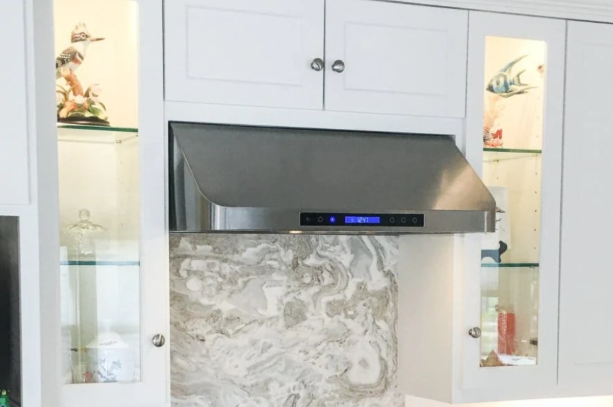
A well-ventilated kitchen is crucial for maintaining clean air and a comfortable cooking environment. Cooking produces smoke, grease particles, and odors that can quickly spread throughout the home if not properly managed. This is where an under cabinet exhaust hood becomes an essential appliance, offering effective ventilation while maintaining a compact and space-saving design.
What is an under-cabinet exhaust hood?
An under-cabinet exhaust hood is a ventilation system installed directly beneath a kitchen cabinet above the cooktop. It is designed to capture smoke, steam, and airborne grease during cooking and either vent it outside or filter and recirculate it back into the kitchen. Its slim structure allows it to fit seamlessly into standard kitchen layouts without taking up additional space, making it one of the most commonly used ventilation options in modern homes.
How It Works
Under-cabinet hoods operate by pulling in contaminated air through a fan system. The air passes through grease filters that trap particles, and depending on the system, it is either expelled outside or cleaned and recirculated. This process helps reduce indoor air pollution, improves visibility while cooking, and prevents buildup on kitchen surfaces.
Benefits of Under-Cabinet Exhaust Hoods
One of the biggest advantages of an under-cabinet exhaust hood is its space efficiency. Because it is mounted under existing cabinetry, it allows homeowners to retain valuable storage space while still enjoying effective ventilation.
Additional benefits include:
- Compact and unobtrusive design
- Easy installation compared to larger hood types
- Cost-effective ventilation solution
- Suitable for most standard kitchen layouts
These features make it a practical choice for both small and medium-sized kitchens.
Key Factors to Consider When Choosing One
Selecting the right under-cabinet hood depends on several factors:
-
Size: The hood should match or slightly exceed the width of the cooktop
-
Airflow (CFM): Higher CFM is needed for heavy cooking
-
Venting Type: Ducted systems offer stronger performance, while ductless systems are easier to install
-
Noise Level: Quieter models improve overall kitchen comfort
Considering these factors ensures that the hood meets both functional and design needs.
Under-Cabinet vs. Other Range Hood Types
Compared to wall-mounted or island hoods, under-cabinet models are more compact and discreet. While larger hoods may provide stronger airflow, under-cabinet options are often sufficient for everyday cooking. They are particularly ideal for kitchens where space is limited or where maintaining cabinetry is important. Their ability to blend into the kitchen design makes them a popular choice among homeowners.
Can Under-Cabinet Hoods Be Used Outdoors?
While standard models are designed for indoor use, certain setups can adapt similar ventilation concepts for outdoor kitchens. In these cases, an outdoor kitchen vent hood is specifically built with weather-resistant materials and higher airflow capacity to handle open-air cooking conditions. Choosing the right type ensures durability and performance, especially in environments exposed to heat, moisture, and outdoor elements.
Maintenance and Care
Regular maintenance is essential for keeping the hood functioning efficiently. Cleaning grease filters, checking airflow, and ensuring there are no obstructions can significantly extend the lifespan of the unit. Proper upkeep not only improves performance but also helps maintain better indoor air quality over time.
Conclusion
An under-cabinet exhaust hood is a practical and efficient solution for maintaining clean air in the kitchen without sacrificing space. Its compact design, ease of installation, and reliable performance make it a popular choice for modern homes. For outdoor setups, considering an outdoor kitchen vent hood ensures proper ventilation in open environments, providing a complete and effective solution for all cooking spaces.