Research Chemicals Kopen Important Safety Guidelines
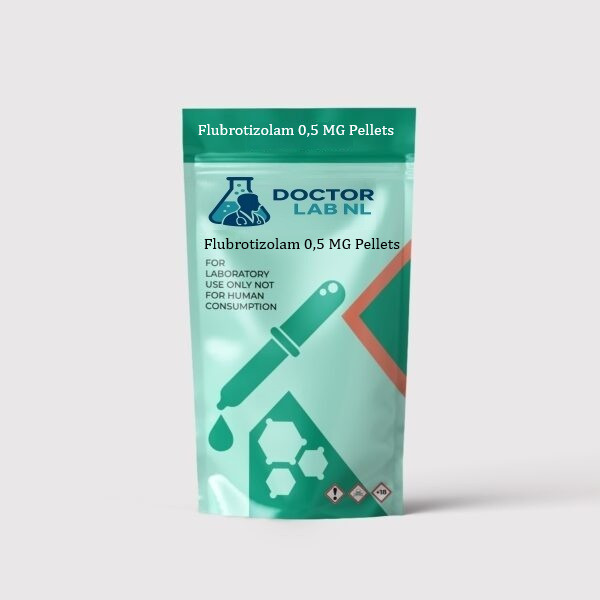
The keyword research chemicals kopen is Dutch for “buy research chemicals.” It is commonly associated with online searches for laboratory materials, experimental compounds, chemical suppliers, and scientific research information.
Research chemicals are used across many scientific fields. They help researchers investigate chemical reactions, study molecular structures, develop analytical methods, and explore potential applications in medicine and industry.
However, research chemicals are not all the same. Some are established laboratory reagents with well-documented properties. Others are experimental substances whose safety, stability, and long-term effects may not be fully understood.
This makes reliable information essential. Anyone researching these materials should understand their scientific purpose, quality standards, safety requirements, and legal status.
In this article, we explain the main types of research chemicals, their applications, laboratory quality checks, relevant regulations, and responsible research practices. We also answer common questions related to the keyword research chemicals kopen.
What Are Research Chemicals?
Research chemicals are substances used in scientific experiments, laboratory testing, and research projects. The term covers a broad range of compounds rather than one specific chemical category.
Some research chemicals are used to study chemical reactions. Others help laboratories measure substances, test analytical equipment, or investigate the properties of new materials.
Their purpose depends on the compound and the research question.
For example, a university laboratory may use a chemical reference material to check the accuracy of an analytical instrument. An industrial laboratory may study how a material changes under different environmental conditions. Pharmaceutical researchers may investigate a compound during early-stage drug development.
These activities require appropriate scientific methods and safety controls.
Main Types of Research Chemicals
Research chemicals can be divided into several broad groups.
- Laboratory reagents
Laboratory reagents are chemicals used in testing procedures and scientific experiments. They may support chemical reactions, sample preparation, and analytical work.
- Analytical reference materials
Reference materials help researchers check the accuracy and reliability of laboratory measurements. They are useful in quality control and method validation.
- Chemical intermediates
Chemical intermediates are substances used during the production or investigation of other compounds. Their properties can be important in industrial chemistry and materials research.
- Experimental compounds
Experimental compounds are investigated to understand their chemical characteristics or possible biological activity. Their properties may not yet be fully established.
- Pharmaceutical research materials
Certain compounds are studied during medicine development. Research may examine their chemical properties, stability, and biological effects before further development is considered.
Each group has different requirements. A chemical suitable for one laboratory procedure may not be appropriate for another.
Why Is Research Chemicals Kopen a Popular Search Term?
The internet has made scientific information easier to find. Researchers, students, laboratory professionals, and other readers may search for information about chemical materials, quality standards, and regulations.
The phrase research chemicals kopen can reflect several types of search intent.
Some people want to understand what research chemicals are. Others are interested in chemical documentation, laboratory quality, or the legal requirements surrounding particular substances.
Understanding this search intent helps website owners create useful and relevant content.
Informational Search Intent
People with informational intent want answers to specific questions.
Examples include:
What are research chemicals?
How are laboratory chemicals used in research?
What is a Certificate of Analysis?
How can chemical quality be evaluated?
What information does a Safety Data Sheet contain?
Which regulations apply to research chemicals?
Where can reliable scientific information be found?
A helpful article should answer these questions clearly. It should also distinguish established scientific facts from uncertain or preliminary findings.
Commercial Search Intent
Some visitors may be researching laboratory suppliers or comparing chemical documentation.
For legitimate laboratory procurement, organizations should assess supplier credentials, product specifications, safety documentation, quality systems, and applicable legal requirements.
A professional approach places scientific suitability and compliance above marketing claims.
Applications of Research Chemicals
Research chemicals contribute to different areas of science and technology. Their applications depend on their chemical properties and the purpose of the investigation.
Chemical Analysis and Testing
Analytical chemistry involves identifying substances and measuring their composition.
Laboratories use suitable reference materials and chemical reagents to verify instrument performance, assess measurement accuracy, and develop reliable testing methods.
These activities support environmental monitoring, industrial quality control, academic research, and scientific investigations.
Accurate analysis helps researchers identify errors and compare results across different experiments.
Pharmaceutical Research and Development
Pharmaceutical research explores compounds that may have useful biological properties.
Scientists begin by investigating relevant characteristics and determining whether further research is justified. Additional studies may examine toxicity, stability, biological activity, and other important factors.
Laboratory findings alone cannot prove that a compound is safe or effective for humans.
Medicines must undergo appropriate evaluation and meet applicable regulatory requirements before they can be approved for medical use.
Academic and University Research
Universities use laboratory chemicals to investigate chemical structures, reactions, and material behavior.
Researchers may study how substances interact, how chemical properties change under different conditions, or how analytical methods can be improved.
Good research practices include accurate documentation, appropriate laboratory controls, and clear reporting of experimental limitations.
Industrial Research
Industrial laboratories use chemical analysis to support product development and manufacturing.
Researchers may investigate material compatibility, chemical composition, stability, and performance.
The findings can help organizations improve production quality and understand potential problems before products reach the market.
How to Evaluate Chemical Quality
Chemical quality is essential for reliable research. Incorrect identification, contamination, or inconsistent composition can affect experimental results.
Laboratories should consider the chemical specification, supporting documents, analytical evidence, and suitability for the intended purpose.
Certificate of Analysis
A Certificate of Analysis, often shortened to CoA, records specified test results for a chemical material or batch.
Depending on the substance, the certificate may include:
Chemical identity
Batch or lot number
Purity or assay results
Analytical testing methods
Reported specifications
Date of analysis
A certificate should be traceable to the material it describes.
However, a CoA is not an absolute guarantee of quality. Its reliability depends on the testing methods, laboratory competence, and accuracy of the reported information.
It also does not prove that a chemical is safe for every application.
Safety Data Sheet
A Safety Data Sheet, or SDS, provides information about chemical hazards and appropriate precautions.
It generally covers hazard identification, first aid, handling, storage, exposure controls, emergency measures, and disposal.
Laboratory personnel should review the appropriate SDS before working with a substance.
The document must correspond to the actual chemical and formulation. General information may not address every risk associated with a specific material.
Analytical Testing
Analytical testing can help establish chemical identity and assess particular quality characteristics.
Qualified laboratories may use methods such as chromatography, spectroscopy, or mass spectrometry when suitable.
The choice of method depends on the chemical and the question being investigated.
Testing should be performed using appropriate equipment and validated procedures. Results must also be interpreted within the limitations of the method.
Supplier Documentation
Organizations evaluating laboratory suppliers should examine the quality and completeness of their documentation.
Important considerations include product identification, batch traceability, relevant safety information, and clear quality procedures.
Missing documents, unsupported purity claims, and inconsistent product descriptions should prompt further investigation.
Reliable documentation helps laboratories maintain accurate records and assess whether materials meet their research requirements.
Safety Considerations for Research Chemicals
Research chemicals should not be assumed safe simply because they are described as laboratory-grade or intended for scientific use.
Some substances may be toxic, corrosive, reactive, or harmful through inhalation or skin contact. Others may have limited toxicological information.
A suitable risk assessment is therefore an essential part of responsible research.
Appropriate Laboratory Facilities
Potentially hazardous chemicals should be handled in facilities equipped for the risks involved.
Depending on the substance, safety controls may include suitable ventilation, protective equipment, secure storage, and restricted access.
Trained personnel should determine the appropriate precautions by reviewing hazard information and following established procedures.
Safe Storage
Chemical stability can depend on temperature, moisture, light, and contact with incompatible substances.
Laboratories should follow the storage requirements stated in the relevant safety documentation.
Containers should be labeled correctly and stored under suitable conditions.
Poor storage can affect chemical quality and may increase the risk of accidents.
Preventing Exposure
Laboratory workers should receive appropriate training before handling hazardous substances.
Training should cover hazard identification, protective equipment, emergency procedures, spill response, and incident reporting.
Unknown substances should never be handled casually, and experimental compounds should not be tested on oneself.
Chemical Waste Management
Chemical waste can harm people and the environment if it is handled incorrectly.
Some materials require specialized collection and disposal procedures. Laboratories should follow local environmental regulations and their established waste-management policies.
Chemicals should not be poured into drains or placed in ordinary rubbish unless the applicable requirements specifically permit it.
Legal Regulations for Research Chemicals
The legal status of a research chemical depends on the exact substance, the jurisdiction, and the activity involved.
Different laws may govern chemical supply, possession, importation, transport, workplace safety, medicines, and controlled substances.
An online product listing does not establish that a chemical can legally be purchased or possessed.
Research Chemicals in the Netherlands
People searching for research chemicals kopen may be interested in Dutch-language resources or suppliers in the Netherlands.
However, the keyword alone does not determine which laws apply.
Some substances may be subject to specific restrictions. Others may fall under broader chemical safety, environmental, or workplace regulations.
Anyone assessing a particular substance should consult current official Dutch government information and relevant European regulatory sources.
Legal status should be checked for the exact compound and intended activity rather than inferred from a general product description.
Import and Shipping Requirements
International movement of chemicals may involve customs declarations, transport classifications, special packaging, and other documentation.
Some substances require additional authorization, depending on the destination and applicable law.
Organizations should confirm the relevant requirements before arranging transport.
Shipping rules can vary according to chemical hazards, quantity, intended purpose, and destination.
Research Use Does Not Automatically Remove Restrictions
Describing a substance as being for research does not automatically make its possession, sale, or import lawful.
Any exemption or authorization must be established under the applicable regulations.
Research institutions should maintain appropriate compliance procedures and obtain any necessary approvals before carrying out regulated activities.
How to Find Reliable Scientific Information
Online information about research chemicals varies in quality.
Commercial websites may describe selected product characteristics without explaining uncertainty, potential hazards, or limitations in the available evidence.
Researchers should compare claims with scientific publications and authoritative information sources.
Peer-Reviewed Scientific Publications
Peer-reviewed papers provide information about research methods, results, and scientific limitations.
However, one study rarely answers every question about a compound.
Readers should consider the research design, the quality of the evidence, the relevance of the findings, and whether independent studies support the conclusions.
Preliminary findings should not be presented as established scientific facts.
Chemical Information Databases
Several established resources provide chemical and regulatory information.
PubChem provides chemical records and links to related scientific information.
The European Chemicals Agency (ECHA) publishes information about chemical safety, classification, and European regulatory requirements.
National regulatory agencies provide country-specific information about restrictions and compliance obligations.
These sources serve different purposes. A substance appearing in a scientific database does not mean that it is approved for human use or unrestricted sale.
Recognizing Misleading Claims
Statements such as “completely safe,” “risk-free,” or “100% pure” should be evaluated carefully.
Purity and safety are separate issues. Even a pure chemical can be toxic or unsuitable for a particular application.
Reliable conclusions require appropriate evidence, transparent methods, and an honest explanation of uncertainty.
Ethical Responsibilities in Chemical Research
Responsible research requires attention to worker safety, environmental protection, and scientific integrity.
Researchers should follow approved protocols, maintain accurate records, and consider the potential consequences of their work.
Studies involving animals, human participants, or biological materials may require additional ethical review and regulatory approval.
Scientific reports should describe methods accurately and acknowledge limitations.
Researchers should avoid exaggerating preliminary findings or making medical claims that are not supported by suitable evidence.
These practices help protect research participants, laboratory workers, and the credibility of scientific results.
Common Mistakes When Researching Chemicals Online
People exploring the keyword research chemicals kopen may encounter incomplete information or unsupported claims.
Several common mistakes are worth avoiding.
Assuming every chemical is legal: Legal requirements vary by substance and jurisdiction.
Confusing purity with safety: A purity result does not establish that a chemical is safe for human exposure.
Ignoring safety documentation: Missing or outdated safety information makes risk assessment more difficult.
Trusting unsupported marketing claims: Commercial descriptions should be checked against credible evidence.
Treating laboratory results as medical proof: Preliminary findings do not automatically establish safety or clinical effectiveness.
Overlooking disposal rules: Chemical waste must be managed according to applicable regulations.
Avoiding these mistakes supports better-informed decisions and more responsible scientific work.
Frequently Asked Questions
What does research chemicals kopen mean?
Research chemicals kopen is a Dutch phrase that means “buy research chemicals.” It is used in online searches related to laboratory materials, scientific research, chemical suppliers, and safety information.
What are research chemicals used for?
Depending on the substance, research chemicals may be used in analytical testing, pharmaceutical research, academic studies, materials science, and industrial quality control.
Are research chemicals safe?
Safety depends on the compound, its hazards, exposure conditions, and available scientific evidence. Some substances have limited safety data and require careful professional assessment.
Are research chemicals legal in the Netherlands?
There is no single answer for every research chemical. Legal requirements depend on the exact substance and the activity involved. Current official Dutch and European sources should be consulted for specific information.
What is a Certificate of Analysis?
A Certificate of Analysis records specified test results for a material or batch. It can support quality assessment, but it does not independently prove that a chemical is safe or legally unrestricted.
Why is a Safety Data Sheet important?
An SDS explains chemical hazards, handling precautions, storage requirements, emergency measures, and disposal considerations. It helps trained personnel assess risks before working with a substance.
Where can researchers find reliable chemical information?
Researchers can consult peer-reviewed scientific papers, PubChem, ECHA, national regulatory agencies, and qualified laboratory safety professionals.
Conclusion
Research chemicals support a wide range of scientific activities, including chemical analysis, academic research, industrial testing, and pharmaceutical development.
The keyword research chemicals kopen reflects interest in these materials and the information needed to understand them responsibly.
Before working with any research chemical, researchers should assess its intended purpose, quality documentation, possible hazards, and legal status.
A reliable Certificate of Analysis, an appropriate Safety Data Sheet, credible scientific evidence, and a professional risk assessment can support informed decisions.
Ultimately, responsible chemical research depends on accurate information, suitable laboratory controls, and compliance with applicable regulations.