Choosing an English Medium School in Gorakhpur
Choosing the right school requires parents to look beyond the medium of instruction. Families considering an english medium school in Gorakhpur often want strong academics, communication, teachers, routines, activities, and parent-school interaction. English-medium education can support reading, writing, speaking, and subject vocabulary, but the quality of teaching matters far more than the label alone. Vertex Global School can be considered alongside other CBSE options using practical criteria that reflect a child’s academic needs, personality, daily routine, and long-term priorities.
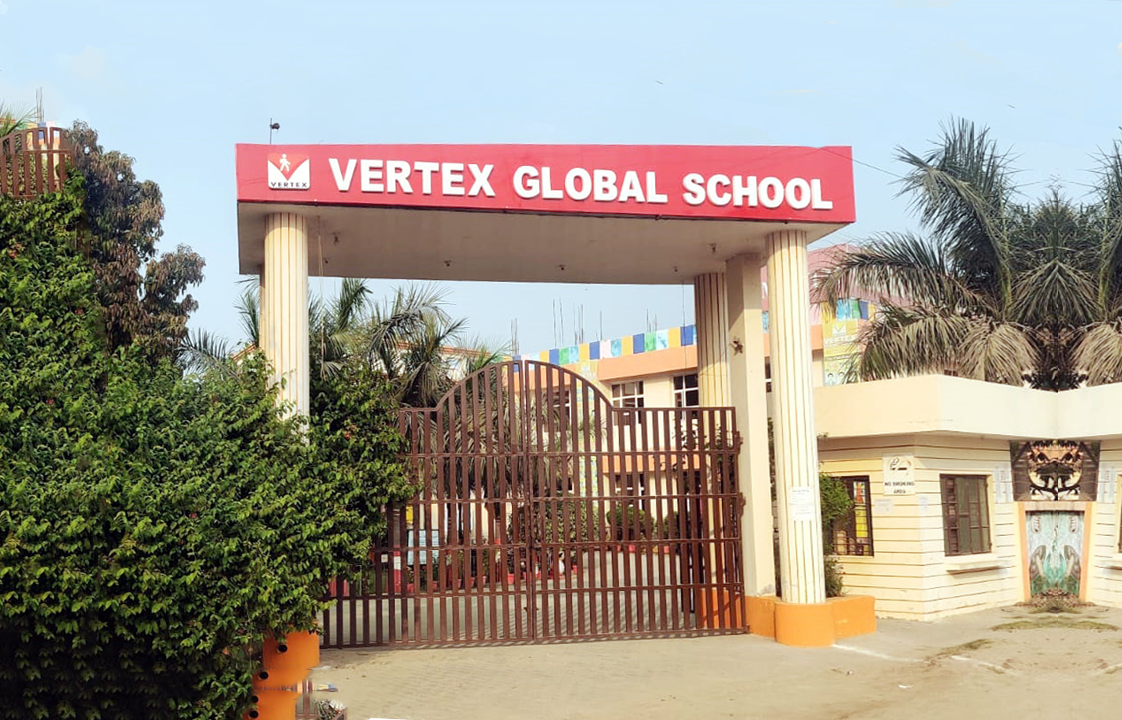
Why English-Medium Education Matters to Many Families?
Parents often choose English-medium schooling because English plays an important role across higher education, professional communication, competitive examinations, digital resources, and many academic subjects. However, students benefit most when schools teach the language through regular use rather than expecting children to become fluent simply because textbooks appear in English.
A strong environment should help students read accurately, write clearly, speak with confidence, and follow classroom explanations. Moreover, teachers should present subject vocabulary in ways that help children grasp meaning instead of memorizing unfamiliar words.
Language Development Should Happen Across Subjects
English development does not belong only in language periods. Mathematics, Science, Social Science, computers, projects, presentations, and classroom discussions can also strengthen communication.
For example, a student who explains a Science process in complete sentences practises both subject knowledge and expression. Similarly, written Mathematics reasoning can strengthen vocabulary and clarity.
Parents evaluating an English medium school in Gorakhpur should therefore ask how teachers support language across the curriculum, especially for students who need time to become comfortable using English.
CBSE Curriculum Delivery Should Remain Central
The medium of instruction matters, but curriculum delivery remains equally important. Parents should examine whether classroom teaching follows a clear academic progression and whether students receive enough practice, feedback, and support.
CBSE schooling generally provides a structured subject framework. Nevertheless, every school creates its own classroom culture through lesson planning, assignments, assessments, activities, and teacher interaction.
Strong Foundations Support Later Classes
Primary students need firm foundations in reading, writing, numeracy, observation, and communication. As children move into middle and secondary classes, they require greater independence, deeper subject knowledge, analytical thinking, and stronger written expression.
Consequently, parents should ask how academic expectations change from one stage to another. A well-planned progression can reduce sudden pressure when students encounter more demanding subjects and examinations.
Families considering Vertex Global School can seek current information about grade-specific academics, classroom routines, assessments, and support directly from the school.
Teaching Quality Matters More Than the English Label
A school can call itself English medium, yet students may still receive limited opportunities to use English meaningfully. Therefore, parents should focus on teaching practice rather than the label alone.
Teachers influence how comfortably children ask questions, participate in discussions, write answers, and correct mistakes. Clear explanations and patient correction can build confidence without embarrassing students who need extra support.
Look for Meaningful Classroom Communication
Parents can ask how teachers encourage spoken English during lessons. The goal should not be forced or unnatural conversation. Instead, students should receive regular chances to answer questions, explain ideas, read aloud where appropriate, present work, and participate in group discussion.
Furthermore, teachers should balance fluency with accuracy. Younger children may need encouragement first, while older students need stronger grammar, vocabulary, structure, and subject-specific expression.
Support for Different Language Levels
Students enter schools with different levels of English exposure. Some may speak confidently, while others may read well but hesitate to speak. A few may need additional support with vocabulary, pronunciation, sentence formation, or comprehension.
Parents should ask how teachers identify these differences and what support exists. A helpful system should encourage progress without treating language difficulty as a lack of intelligence.
Reading and Writing Deserve Equal Attention
Strong English-medium schooling should develop both comprehension and expression. Students need to read with meaning and communicate ideas clearly in writing.
Reading supports vocabulary, sentence structure, subject comprehension, and independent academic work. Writing, meanwhile, helps students organize ideas, answer examination questions, complete projects, and communicate precisely.
Reading Should Go Beyond Textbook Completion
Parents can ask whether students receive opportunities to read stories, informational texts, subject passages, and age-appropriate material beyond routine exercises.
Reading habits become stronger when children engage with suitable content regularly. Moreover, teachers can use questions and discussion to check whether students grasp meaning rather than simply pronounce words correctly.
Writing Should Develop Gradually
Younger students may begin with sentences, descriptions, and short responses. Older students need paragraphs, structured answers, essays, reports, and subject-specific writing.
Feedback should identify specific areas for improvement, such as grammar, vocabulary, organization, spelling, or clarity. Consequently, students can strengthen writing through repeated practice instead of receiving only marks.
Academic Assessment Should Provide Useful Feedback
Assessment helps schools identify progress and gaps, but scores alone cannot explain why a student succeeds or struggles. Parents should therefore ask how teachers use classwork, assignments, tests, projects, practical tasks, and other appropriate methods.
Feedback Should Point Toward Improvement
A useful academic comment should tell students what requires attention. For instance, a child may know a Science concept but struggle to explain it clearly in English. Another may write strong answers but make avoidable grammar errors.
When teachers identify the exact issue, students can improve more efficiently. Additionally, parents receive clearer information about how to support study routines at home.
Infrastructure Should Support Daily Schooling
Parents often notice buildings and facilities during school visits, but usefulness matters more than appearance. Infrastructure should support classroom teaching, reading, practical work, physical activity, hygiene, safety, and student comfort.
What Parents Can Check During a Visit
Families may consider:
-
Classroom organization, ventilation, lighting, and cleanliness
-
Library or reading resources
-
Laboratories relevant to applicable classes
-
Sports and physical activity spaces
-
Sanitation arrangements
-
Technology used for educational purposes
-
Activity spaces where relevant
-
Arrival, dispersal, and transportation arrangements
Parents should also ask how frequently students use important facilities. A resource creates educational value only when children can access it meaningfully.
Technology Should Support Communication and Academics
Digital tools can strengthen classroom presentations, assignments, revision, parent communication, and access to educational resources. However, schools should use technology with clear academic purpose.
Balanced Use Matters
Screens should not replace reading, handwriting, discussion, physical movement, practical work, or direct interaction. Different age groups also require different levels of digital exposure.
Parents evaluating an English medium school in Gorakhpur can ask how teachers use technology and whether digital resources genuinely support subject knowledge and English communication.
Student Safety Requires Specific Questions
Safety remains a basic consideration when parents compare schools. Families should seek direct information about campus access, visitor procedures, supervision, transportation, arrival, dispersal, emergency communication, and student reporting systems.
Ask About Everyday Procedures
Parents can ask how students move between classrooms, how breaks are supervised, how younger children receive support, and how staff respond when a child feels unwell or raises a concern.
Specific explanations provide more value than broad statements. Therefore, families should verify current procedures with the school rather than relying on assumptions.
School Culture Shapes Confidence and Behavior
Children spend a significant part of their day interacting with teachers, classmates, and staff. The tone of these interactions influences confidence, discipline, communication, and social behavior.
A respectful environment should encourage students to participate while maintaining clear expectations.
Discipline Should Remain Constructive
Parents can ask how schools respond to repeated behavioral issues, peer conflict, incomplete responsibilities, or inappropriate conduct. Discipline should help students recognize consequences and improve behavior rather than create unnecessary fear.
Moreover, students should know how to seek help when they face academic, social, or personal concerns.
Extracurricular Activities Support Broader Development
English communication can grow outside the classroom through debates, drama, public speaking, quizzes, reading activities, clubs, presentations, cultural events, and team projects. Sports and creative activities also contribute to confidence, discipline, teamwork, and self-expression.
Participation Matters More Than a Long Activity List
Parents should ask how regularly students participate and whether opportunities suit different age groups and interests. Some children enjoy speaking on stage, while others may prefer art, sports, writing, science activities, or smaller group tasks.
A balanced program should provide variety without allowing activities to overwhelm academic responsibilities.
Parent-School Communication Should Be Clear
Families need reliable information about attendance, assignments, assessments, events, behavior, and areas requiring support. Communication becomes especially useful when a child needs help with English or another academic subject.
Parent Meetings Can Reveal More Than Marks
Parents can ask about classroom participation, confidence, reading ability, written expression, subject comprehension, homework habits, and peer interaction.
Teachers may notice that a student hesitates to speak despite strong written work, or that limited vocabulary affects performance in several subjects. Such observations can help parents respond with appropriate support instead of focusing only on percentages.
Daily Travel and Routine Affect School Fit
A school can appear suitable academically but still create difficulties if daily travel becomes exhausting. Parents should consider distance, transport, school timings, homework, activities, meals, and sleep as part of the decision.
Practical Compatibility Matters
Long commuting time may reduce the hours available for rest, reading, family interaction, or independent study. Therefore, parents should estimate the complete daily routine rather than considering location only on a map.
Transportation procedures should also align with the family’s expectations regarding convenience and supervision.
How to Evaluate Vertex Global School
Families considering Vertex Global School can apply the same criteria used when comparing other CBSE options in Gorakhpur. The school should be assessed through current information rather than assumptions or unsupported claims.
Parents can ask about curriculum delivery, English communication, classroom teaching, assessments, student support, activities, facilities, safety procedures, technology, transportation, fees, and parent communication.
Verify Current Details Directly
Programs, facilities, schedules, and admission procedures can change. Consequently, families should request updated information from the school and, where possible, visit the campus.
A direct conversation also allows parents to ask questions specific to their child’s grade, language confidence, academic strengths, support needs, and daily routine.
Making a Campus Visit More Useful
A campus visit allows families to compare what a school communicates with what they can observe directly.
Parents should arrive with clear priorities rather than relying only on first impressions.
Questions Worth Asking
Ask how English is used across subjects, how teachers support hesitant speakers, how reading and writing progress are monitored, and how academic difficulties are addressed.
Additionally, parents can ask about assessments, homework, activities, safety, technology, transportation, fees, and communication.
Using similar questions across several schools makes comparisons more objective.
Choosing According to the Child
No single school environment suits every student. Children differ in confidence, interests, academic ability, independence, communication style, and support needs.
Therefore, parents should consider whether the school’s academic expectations and daily culture align with the child’s personality.
Avoid Comparing Children Too Closely
One child may speak English confidently but require stronger writing support. Another may perform academically well while needing encouragement in group communication.
Parents should focus on individual progress rather than expecting every child to develop at the same pace.
Frequently Asked Questions
1. What should parents look for in an English medium school in Gorakhpur?
Parents should evaluate classroom teaching, English communication, curriculum delivery, academic support, assessments, safety, infrastructure, activities, technology, and parent communication. They should also consider whether the environment suits their child’s confidence, language level, academic needs, and daily routine rather than relying only on the school’s English-medium label.
2. Does English-medium schooling automatically improve spoken English?
No. Students improve when they receive regular opportunities to read, speak, write, listen, and receive useful feedback. Parents should ask how teachers encourage classroom participation and whether students use English meaningfully across subjects. The quality of interaction matters more than simply using English textbooks or displaying an English-medium description.
3. How does CBSE schooling support English development?
CBSE schooling can provide structured language and subject study, but individual schools determine how effectively students practise communication. Parents should examine classroom discussion, reading, writing, presentations, assessments, and teacher feedback. Strong language development requires consistent practice across academic situations rather than depending only on dedicated English periods.
4. How can parents assess teaching quality before admission?
Parents can ask how teachers explain concepts, support weaker students, correct language errors, encourage questions, and provide feedback. A campus visit may also reveal classroom organization and communication style. Specific explanations about teaching processes usually offer more useful information than general promotional claims about academic excellence or faculty quality.
5. Are extracurricular activities useful for English communication?
Yes. Debates, drama, quizzes, presentations, reading activities, and clubs can strengthen vocabulary, confidence, expression, and listening skills. However, activities should suit students’ ages and interests. Parents should ask how often children participate and whether the school balances communication opportunities with academic responsibilities and physical activity.
6. What infrastructure should parents check at a school?
Parents can consider classrooms, sanitation, reading resources, relevant laboratories, sports areas, activity spaces, technology, and transportation arrangements. They should also ask how students use these resources. Functional access matters more than appearance because infrastructure should support teaching, comfort, safety, physical activity, and the child’s regular school routine.
7. How should parents evaluate school safety?
Families should ask about visitor management, supervision, arrival and dispersal, transportation, emergency communication, behavioral concerns, and student reporting procedures. Specific explanations help parents assess whether daily practices match their expectations. A campus visit can also provide useful context about organization, movement, and supervision during ordinary school routines.
8. Why is parent-school communication important?
Clear communication keeps families informed about attendance, academic progress, assignments, behavior, events, and areas requiring support. It also helps parents respond early when children face language or subject difficulties. Productive communication should focus on specific observations and practical next steps rather than relying only on marks or general comments.
9. How should parents evaluate Vertex Global School?
Parents considering Vertex Global School should request current information about CBSE academics, English communication, teaching practices, assessments, student support, activities, facilities, safety, transportation, technology, fees, and admission procedures. They can then compare these details with their child’s needs and other schooling options before making a decision.
10. Should parents visit a school before completing admission?
A campus visit can help families observe the environment, clarify academic expectations, ask about English usage, examine relevant facilities, and discuss safety, transportation, and communication. Preparing questions beforehand makes the visit more useful. Parents can then compare schools using consistent criteria rather than making decisions mainly from advertisements or informal opinions.
Making a Thoughtful School Decision
Choosing an English medium school in Gorakhpur requires more than checking the language printed on textbooks. Parents should evaluate teaching, CBSE curriculum delivery, communication, reading and writing support, safety, infrastructure, activities, technology, school culture, and daily convenience. Vertex Global School can be considered through these same practical criteria alongside other options. Families who verify current information, visit schools, and compare their child’s individual needs can make a more balanced admission decision based on educational fit, credible information, and long-term development.